What We’ve Learned This Planting Season
This planting season has been one of our busiest yet, alongside new partnerships and ways of working.
Our forestry team has grown with the addition of Kathryn, our apprentice Community Forester. This year also saw the launch of our neuroinclusive volunteer programme, and the onboarding of our first volunteer Community Foresters.
Across the season, we’ve worked with a wide range of partners and communities. From receiving our first trees from Forests with Impact, supporting prisoners to build practical skills, to planting trees with students across the county, creating opportunities for young people to connect with the landscape around them.
We also marked the planting of a ceremonial 10 millionth tree for the Trees for Climate programme with Cumberland Council, and spent time on the ground with communities, including the start of planting at Ehenside in Cleator Moor, a site shaped through our third Raise Collective community consultation.
As the season comes to a close, our team has been reflecting on what we’ve learned along the way.
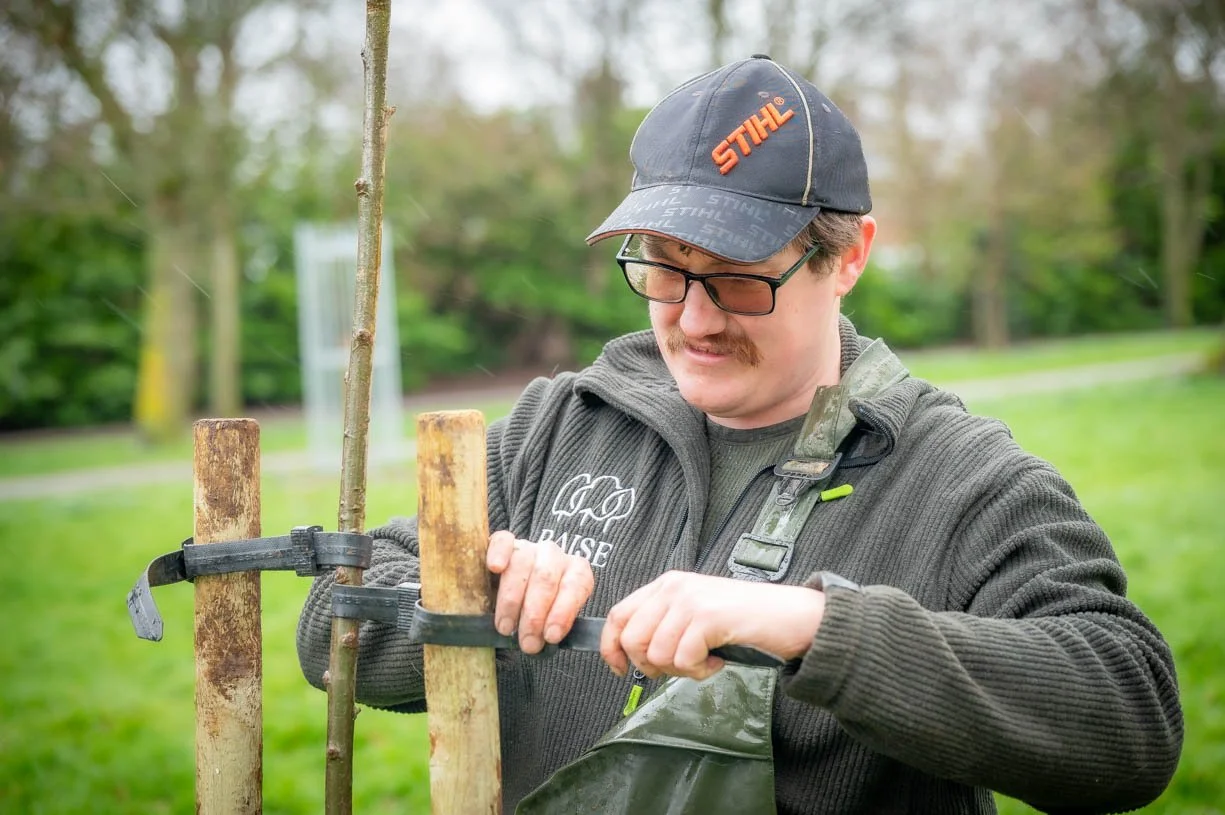
Gary, Lead Community Forester
For Gary, this season has highlighted both the long-term impact of woodland creation, and the realities of working within changing conditions.
“Planting season is always busy, and increasingly wet ground has made getting onto sites more difficult or delayed. What helps is visiting sites we’ve planted in previous years and continuing to work with the same landowners. It’s a reminder of the bigger impact and legacy of the work.”
It’s also been a season of growth for the team itself.
“It’s been great to see the team continue to grow and develop its skillset. I’ve particularly enjoyed welcoming Kathryn, our first apprentice Community Forester, and helping create wider opportunities for more people to join the industry.”
Alongside the practical work on the ground, there have also been moments of curiosity and learning.
“One thing I learned this season was the ‘Hooper Method’ for estimating the age of a hedge. It works on the principle that hedges were historically planted with species like hawthorn and blackthorn, then gradually colonised by other species over time.”
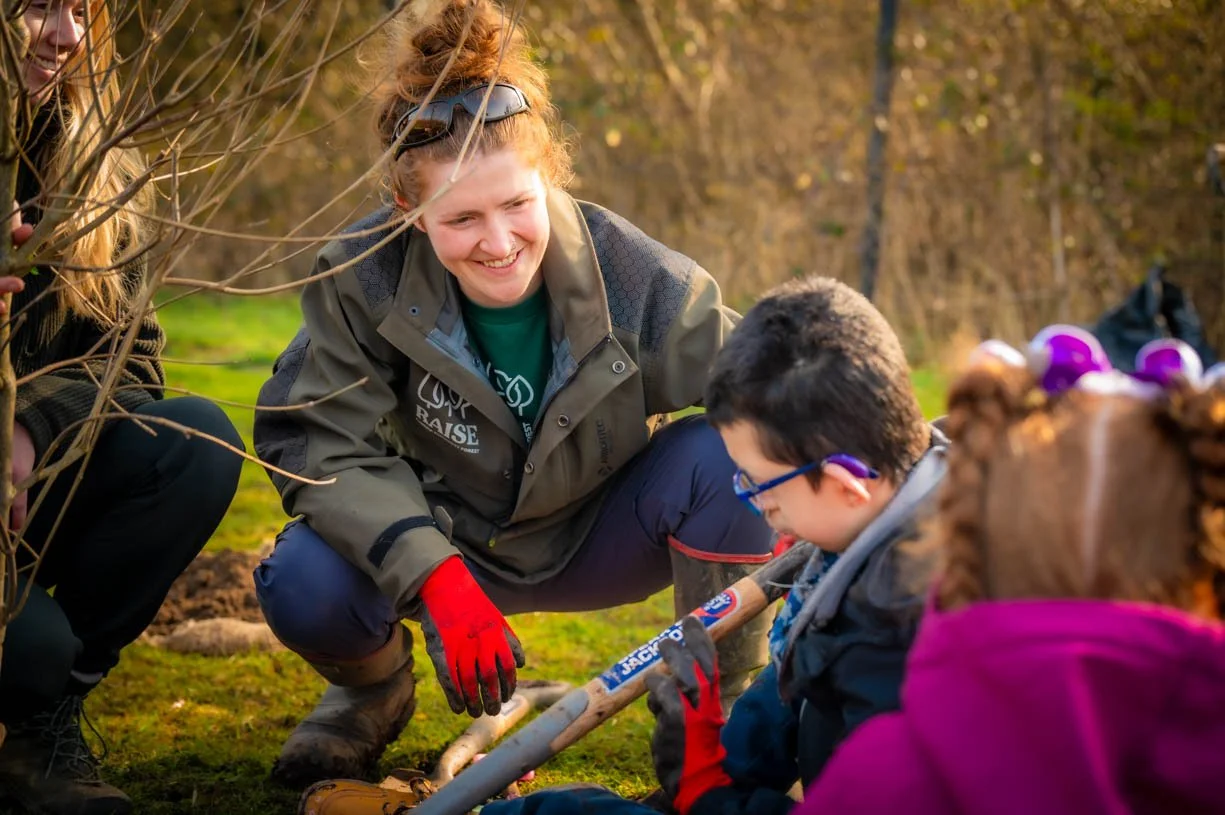
Zoe, Community Forester (Engagement)
For Zoe, many of the moments that stood out this season came from working alongside schools and community groups.
“One thing that’s really stayed with me this season has been working with schools. There’s a kind of joyful chaos to planting and caring for trees with students, especially the universal enthusiasm for worms in the soil.”
At Montreal C of E Primary School in Cleator Moor, difficult weather conditions didn’t stop students from throwing themselves into the work.
“The site turned into a complete mud bath, but the students and staff threw themselves into planting with so much energy.”
At Mayfield School in Whitehaven, students worked together to plant some of the largest trees Raise has planted on a school site so far.
“Planting season can be intense, especially with the logistics involved in organising so many events, but what’s helped me through is the people we work with and taking moments to appreciate the environment around me.”
This season has also helped build confidence in shaping Raise’s neuroaffirming approach on the ground.
“My confidence has grown through working alongside volunteers, schools and community groups, particularly in helping shape our neuroaffirming volunteering approach.”
Reflecting on the wider team effort, Zoe added:
“There have also been lots of laughs. I’m grateful to work with people who are kind, who share different perspectives, and who bring a sense of humour to long days. It wouldn’t be possible without everyone involved. Each person gives the work meaning.”

Nathan, Community Forester (Woodland Creation)
For Nathan, one of the standout moments of the season has been working at Low Skelgill.
“The Community Foresters involved on site have brought incredible energy and buy-in to the programme, and it’s been really rewarding to work alongside them.”
The site itself has also left a lasting impression.
“I think it’ll take a long time for me to get the same sort of feeling from another site as I have from that one.”
Alongside the planting work, Nathan reflected on the importance of creating habitat for species already present on site.
“What’s especially exciting is that there’s already wildlife on the site that isn’t particularly common, and the habitat being created through the planting work is exactly what those species need. It feels really positive to contribute to biodiversity in such a meaningful way.”
James, Forest Director
For James, this season has marked an important step forward in building a more inclusive and community-led approach to woodland creation.
“One of the most rewarding parts of this season has been seeing our volunteer programme really begin to take shape. Towards the end of the planting season, I was able to spend time with the group on site and see first-hand the energy, positivity and care they brought to the work.”
“Creating opportunities for people to connect with woodland creation in ways that feel accessible and meaningful has always been important to Raise, so seeing that come to life has been incredibly encouraging.”
“What stood out most was the atmosphere on site. People supporting each other, sharing knowledge, and genuinely enjoying being part of something together. It felt like the beginning of something meaningful that will have real long-term impact.”
Looking ahead
As another planting season comes to a close, we’re feeling grateful for the people, partnerships and communities that continue to shape this work.
This season has reminded us that woodland creation is about more than the trees themselves. It’s about creating spaces where people can learn, contribute, build confidence and connect with the landscapes around them in ways that feel meaningful and accessible.
There’s still a great deal of work ahead, but this season has reinforced why thinking differently matters. By bringing together forestry, community knowledge, creativity and neurodivergent perspectives, we’re continuing to explore what more inclusive approaches to climate action and woodland creation can look like in practice.