
The Benefits of Trees and Woodlands for Communities
Why Trees Matter
Have you ever noticed how trees quietly shape the way a place feels? Beyond adding beauty, they influence how communities function, how people move through public spaces, and how we manage wellbeing. Trees can act as natural buffers - filtering the air we breathe, softening the noise of traffic, and providing shade that cools streets and parks. They make spaces more comfortable and inviting, encouraging people to spend time outdoors and connect with their surroundings.
Even small pockets of woodland can have a big impact. A short walk along a tree-lined path or through a park can feel calming and help people feel more connected to both nature and their community. The benefits of trees can be immediate, visible in everyday life, and build over time as green spaces mature.
Let’s look at some of the ways trees directly benefit communities.
Community Woodlands as Everyday Assets
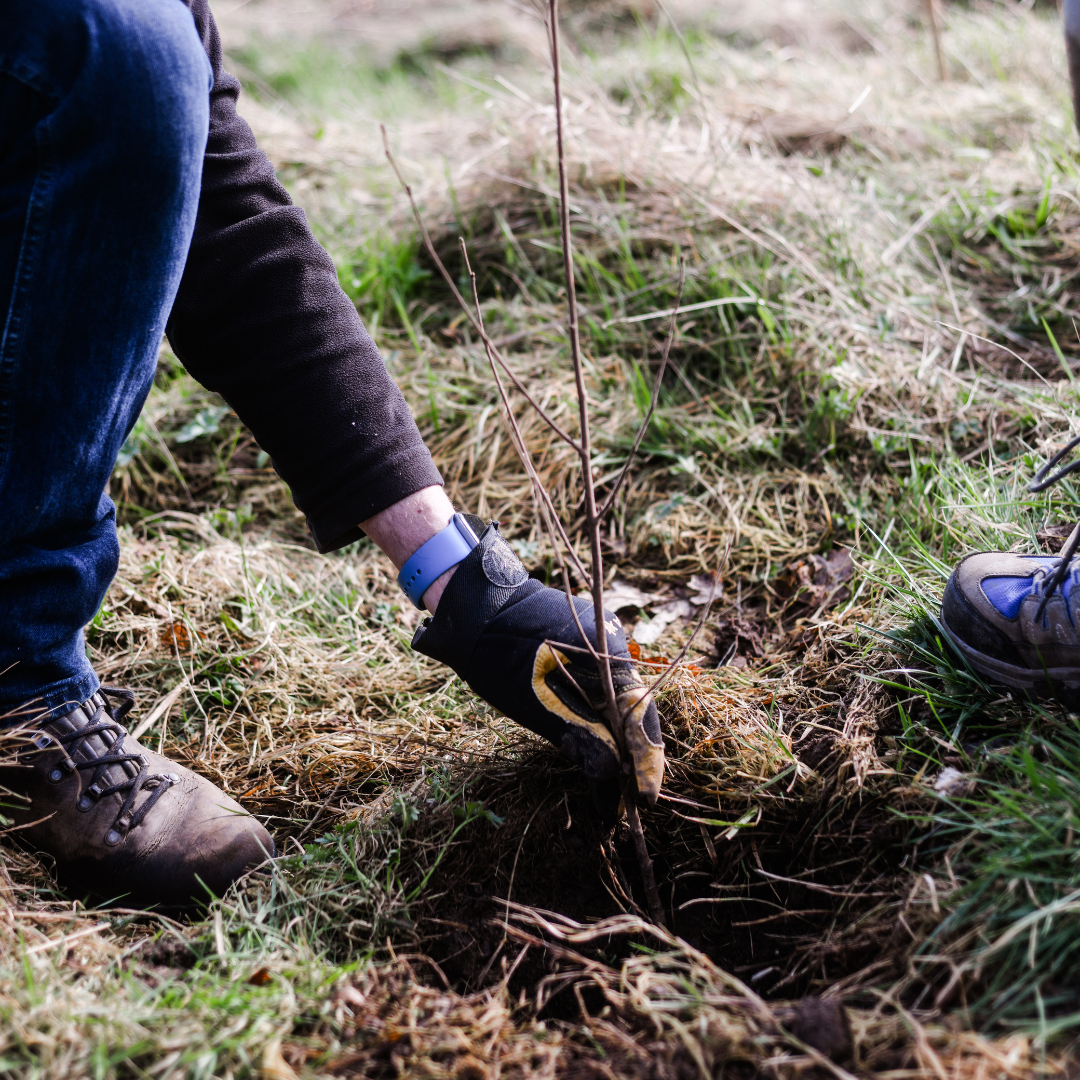
Woodlands are versatile spaces that serve many purposes for communities. They are great places for families to explore, schools to run outdoor lessons, and volunteers to plant, maintain, and protect green spaces that will benefit everyone for years to come.
The value of a woodland grows with its accessibility. A space within walking distance encourages frequent use, supporting physical activity and social inclusion. By providing areas for play, relaxation, learning, and volunteering, community woodlands can become central to daily life, creating shared spaces that bring people together and foster a sense of ownership.
A Strong Sense of Place
Trees and woodlands give neighbourhoods character. A familiar woodland path, a historic tree, or a well-loved green space can become a shared landmark that inspires pride and belonging.
Feeling connected to local trees and woodlands also encourages participation - whether through volunteering, maintaining the environment, or taking part in community activities. In this way, community woodlands help residents feel rooted in their surroundings and strengthen social connections.
Physical Health Benefits
Woodlands encourage movement and activity. Walking, cycling, running, or exploring a green path are low-cost and accessible ways to stay active.
Exposure to trees goes beyond exercise. Cleaner air, cooler microclimates, and direct contact with nature support lower blood pressure, improved cardiovascular function, and stronger immunity. By making exercise more enjoyable and accessible, woodlands help communities maintain physical health alongside wellbeing.
Wellbeing and Mental Health
Spending time among trees can have subtle but powerful effects on mental health. Nature exposure can have restorative effects, replenishing depleted cognitive resources, and instorative effects, improving cognitive capacity even when not fatigued. These effects are most consistently observed in attention and executive functions, such as working memory, planning, and cognitive flexibility (Nguyen & Walters, 2024).
Even short interactions - pausing on a bench, listening to birdsong, or walking under a leafy canopy - can help reset the mind. Research in natural settings, including school gardens and nature kindergartens, shows improvements in executive functioning compared with built environments (Faber Taylor & Butts-Wilmsmeyer, 2020; Mancuso et al., 2006).
Bringing People Together
Woodlands are natural gathering spaces. They provide opportunities for volunteering, school activities, guided walks, and informal meet-ups that strengthen social bonds. Shared activities encourage teamwork and a sense of achievement, while casual visits allow neighbours to connect naturally.
Activities in woodlands often include:
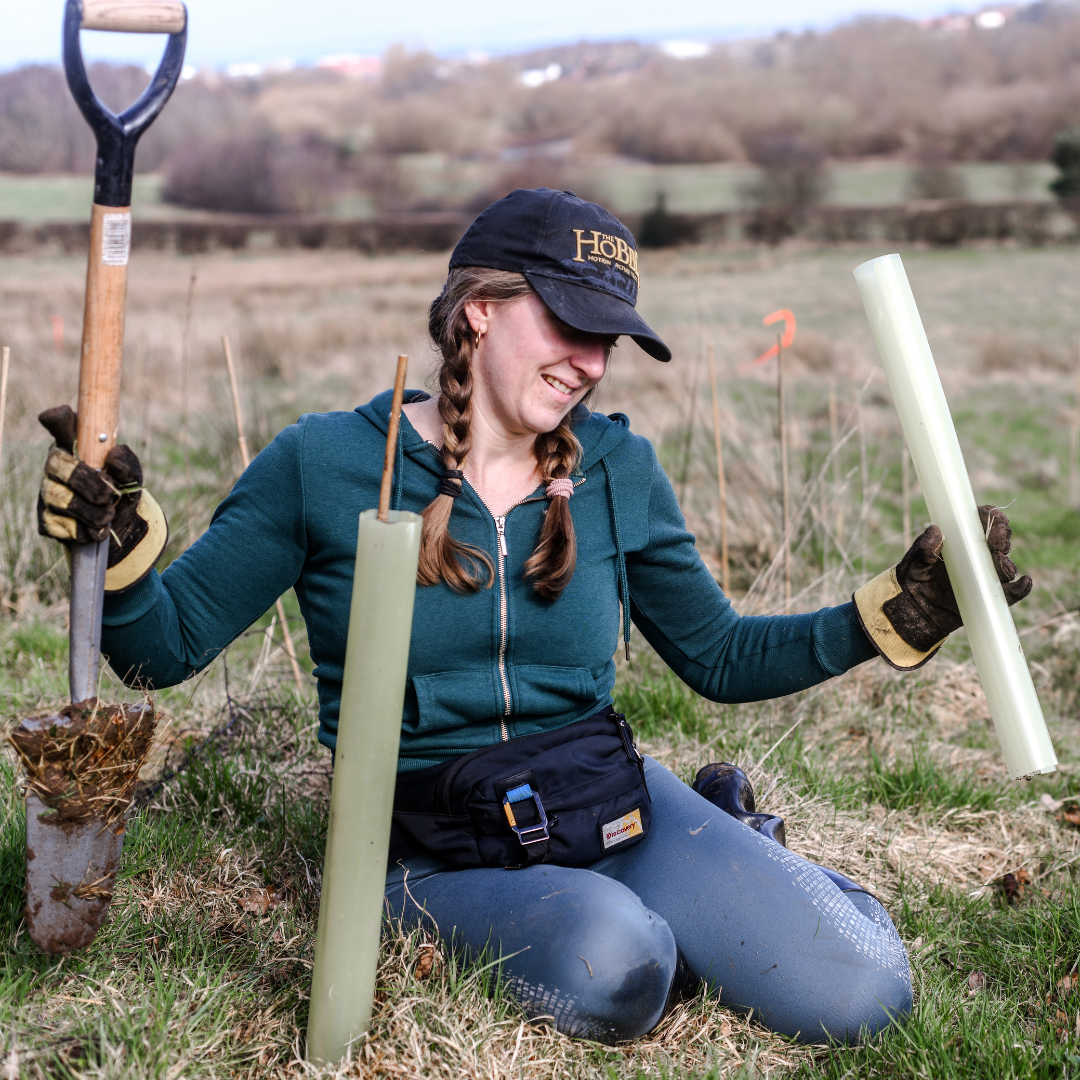
Community planting days
School and youth outdoor lessons
Seasonal events and casual woodland strolls
By combining recreation with shared purpose, these green spaces build cohesion and resilience, supporting both people and the wider environment.
Economic Value
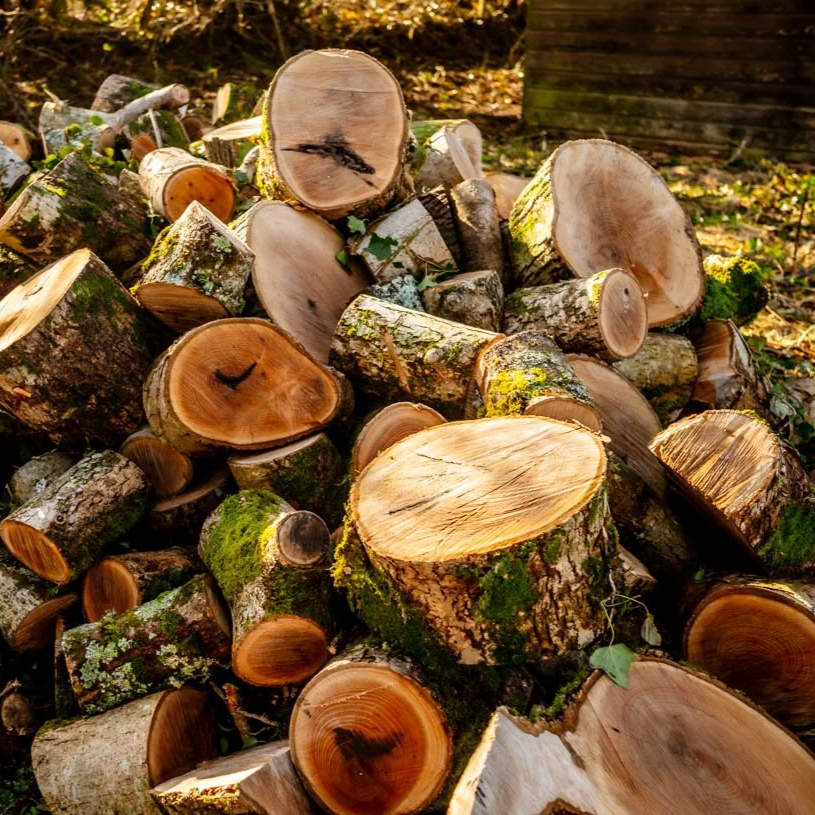
Trees deliver measurable economic benefits. Streets lined with trees are more attractive, drawing residents and visitors, while local woodlands support tourism, recreation, and local services. Trees also reduce infrastructure costs by managing flood risk, improving air quality, and moderating temperatures. Thoughtfully designed and inclusive green spaces are long-term investments, saving money while improving quality of life.
Take a look at our article on Agroforesty for Economics, to find out more about the economic benefits of trees on farms. In short, trees help communities become healthier, happier, and more resilient - both socially and economically
Healthier, Happier Neighbourhoods
Accessible woodlands encourage people to spend more time outdoors, interact with one another, and enjoy shared spaces. Even a small cluster of trees in a park or on a street can change how residents experience their surroundings, boosting wellbeing, pride, and happiness. By combining physical, mental, and social benefits, woodlands help communities thrive in ways that go far beyond the trees themselves.
Neurodiversity and Biodiversity
Woodlands naturally support neurodivergent people through sensory-rich environments, while biodiversity benefits from the presence of people who care for and interact with nature. Both thrive when spaces are varied, adaptable, and thoughtfully designed.
For neurodivergent individuals, woodlands provide environments that support emotional regulation, concentration, and exploration. Paths with gentle curves, varied surfaces, and quiet corners give options for different needs, showing how wellbeing and nature work together. Communities with accessible woodlands tend to be more resilient, with residents better able to manage stress and form social connections.
Practical ways to support both include:
Gentle paths with varied surfaces
Quiet corners or open areas for reflection
Wildlife-friendly planting that provides sensory stimulation
By supporting neurodiversity and biodiversity together, woodlands become more resilient, inclusive, and beneficial for all residents. We’ll explore this topic more in a future article, diving deeper into how neurodivergent people and nature support one another, and how this is central to Raise’s approach.
Welcoming Spaces for Everyone
Woodlands are naturally inclusive. They offer spaces where people of all ages, abilities, and backgrounds can come together. Clear paths, benches, and signage help everyone enjoy the space safely, while thoughtful design ensures that green spaces foster connection and wellbeing for all members of the community.
Legacy and Future Generations
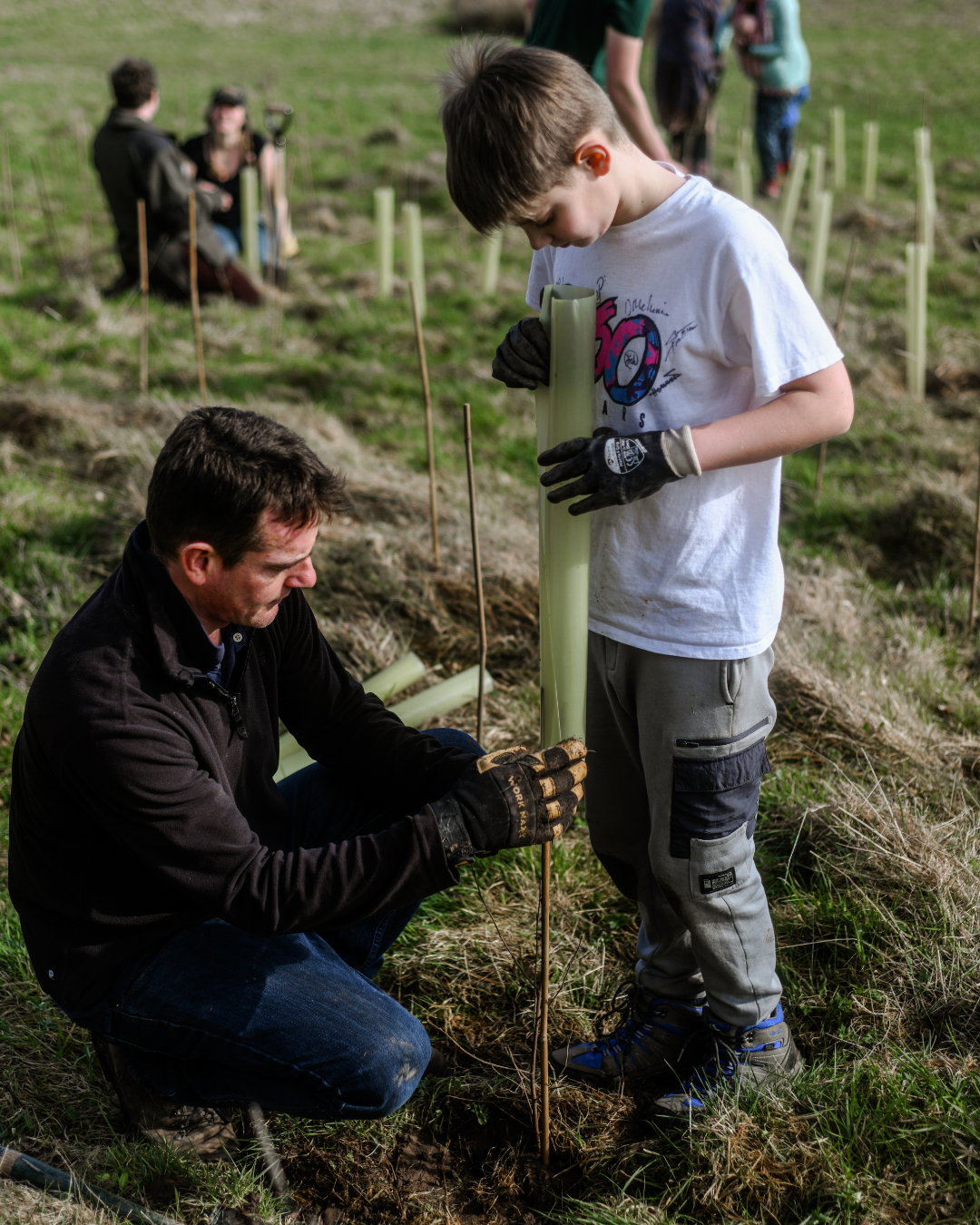
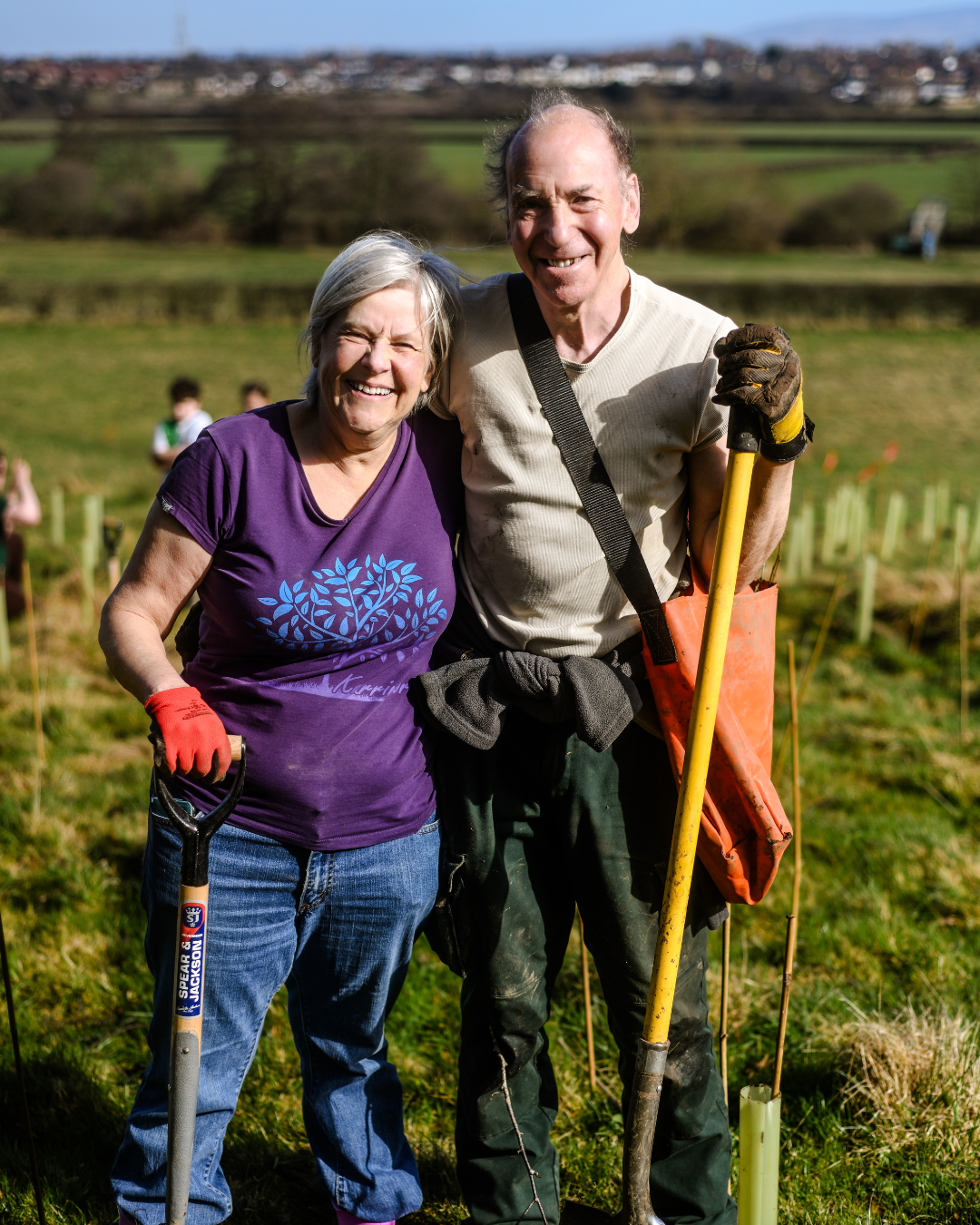
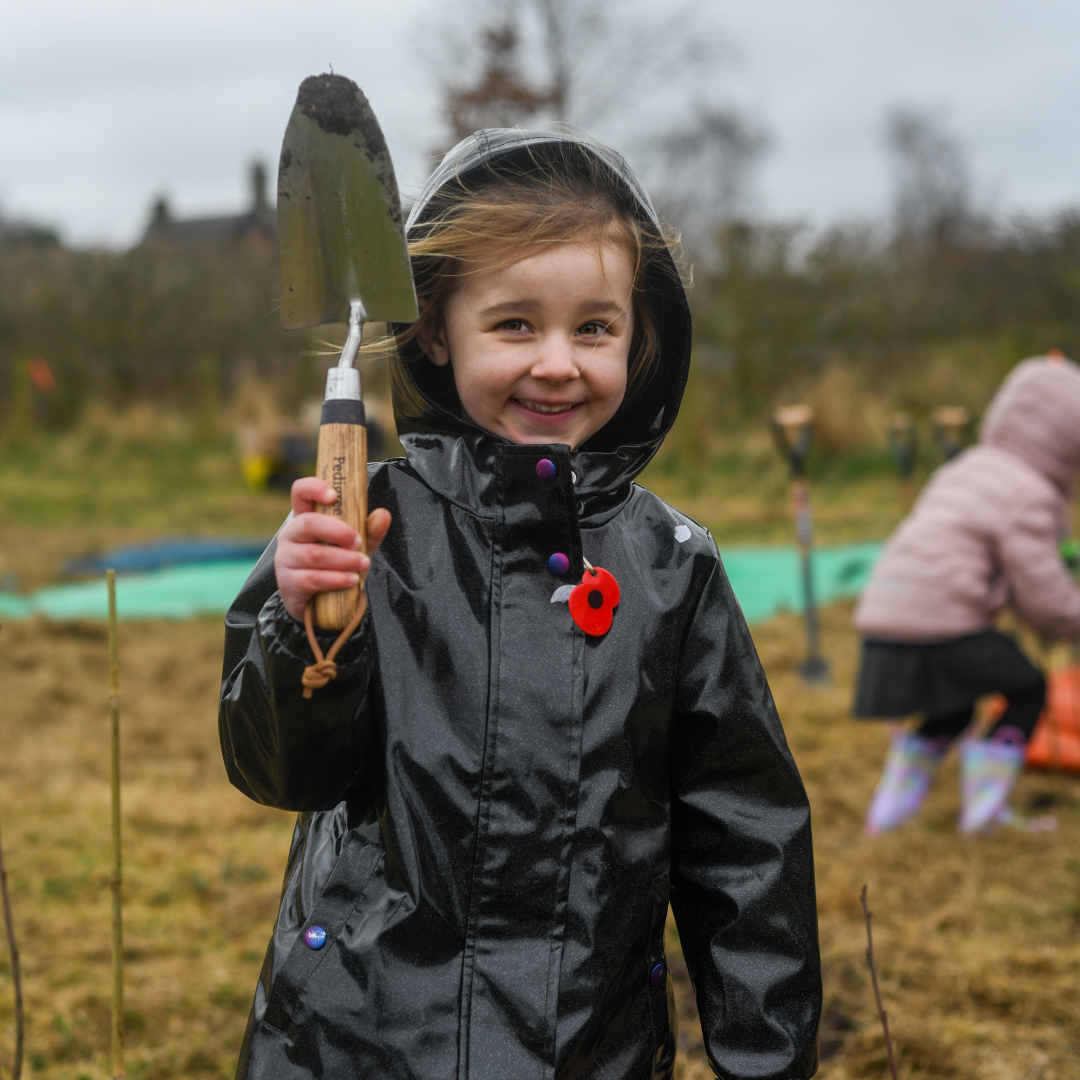
Planting and caring for trees is an investment in the long-term health of communities. Trees planted today provide shade, shelter, and opportunities for recreation for decades to come. Engaging children and adults in woodland projects builds environmental awareness, teaches stewardship, and encourages cooperation. Woodlands also act as living classrooms, supporting learning about wildlife, ecology, and sustainable land management. In this way, communities create a lasting legacy for both people and the land.
Trees Make Communities Stronger
Trees strengthen communities in multiple ways. They improve wellbeing, support mental and physical health, encourage social connection, and deliver economic and environmental benefits. Woodlands give residents a sense of identity, provide spaces for learning and play, and support biodiversity and inclusivity.
Accessible, well-designed community woodlands are so more than green spaces - they are catalysts for stronger, happier, and more resilient neighbourhoods.
Get in touch to find out about available funding for community tree planting and woodland projects. Whether you’re starting a new green space or enhancing an existing woodland, trees are a practical, long-term way to make your community stronger.