Low Skelgill Farm
DATE:
2025 / 2026
LOCATION:
Newlands Valley, Lake District National Park
PARTNERS:
Woodland Trust, Stomping Grounds North East, Cumbria Biodiversity Data Centre
Case studies >> Low Skelgill
Creating woodland that works for farming and nature
Aims
Increase biodiversity across the landholding while maintaining conservation grazing.
Improve habitat connectivity within an important ecological landscape.
Support water quality and natural flood management through woodland creation and other associated environmental works.
Establish resilient woodland that complements the existing farming enterprise.
Low Skelgill is an agricultural landholding in the Newlands Valley, in the heart of the Lake District National Park beneath the slopes of Catbells. Owned and managed by farmers Rick and Sonja, the farm is managed primarily for nature recovery, using conservation grazing to support the site's long-term ecological management.
The site sits within an important ecological landscape. It lies close to Borrowdale Rainforest National Nature Reserve and within an opportunity area for red squirrel conservation. Woodland creation on the farm also has the potential to improve water quality, contribute to natural flood management and strengthen connections between existing priority habitats across the surrounding landscape.
Designing the Site
The woodland was designed to work alongside the existing farming operation rather than replace it. Conservation grazing with a small herd of Shetland cattle remains an important part of the site's management, with new planting to complement this approach. Shelter belts have been established to provide protection for livestock, while riparian planting along the beck creates a buffer that will help stabilise banks, improve water quality and provide valuable habitat.
The planting includes a diverse mix of predominantly native broadleaf species, including downy birch, aspen, wild cherry, common alder, field maple, rowan, hazel and holly, alongside smaller numbers of naturalised broadleaf and conifer species such as sweet chestnut and Scots pine. Scrub planting, including blackthorn, hawthorn, dog rose, dogwood, guelder rose, spindle, elder and buckthorn, has also been incorporated to create varied habitat structure across the site.
The project includes habitat boxes containing trees and wildflower seed, cactus guards and post-and-rail boxes to protect young trees as they become established. These measures will help create a resilient woodland that supports wildlife while withstanding grazing and browsing pressure.
Community Engagement and Planting
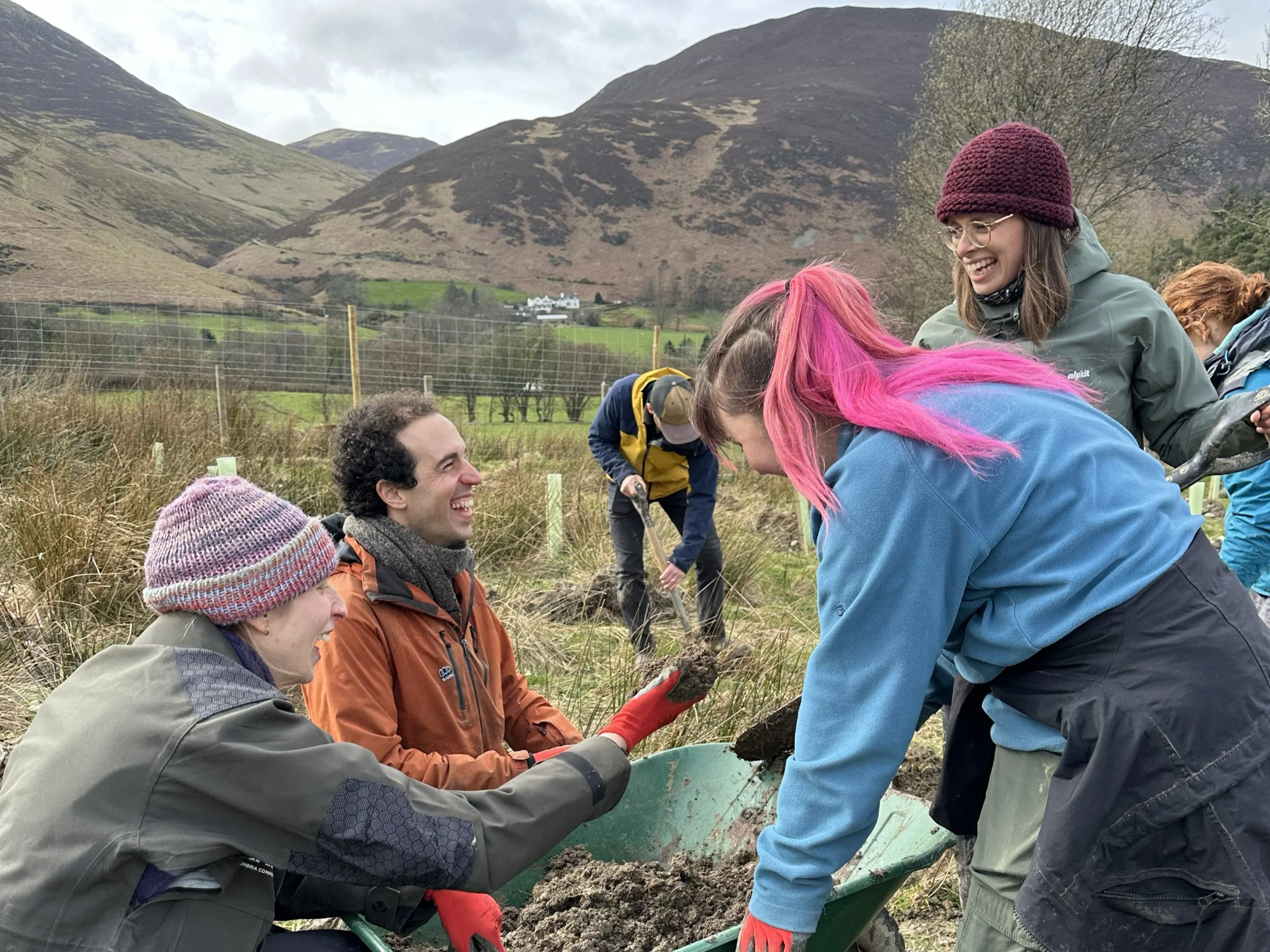
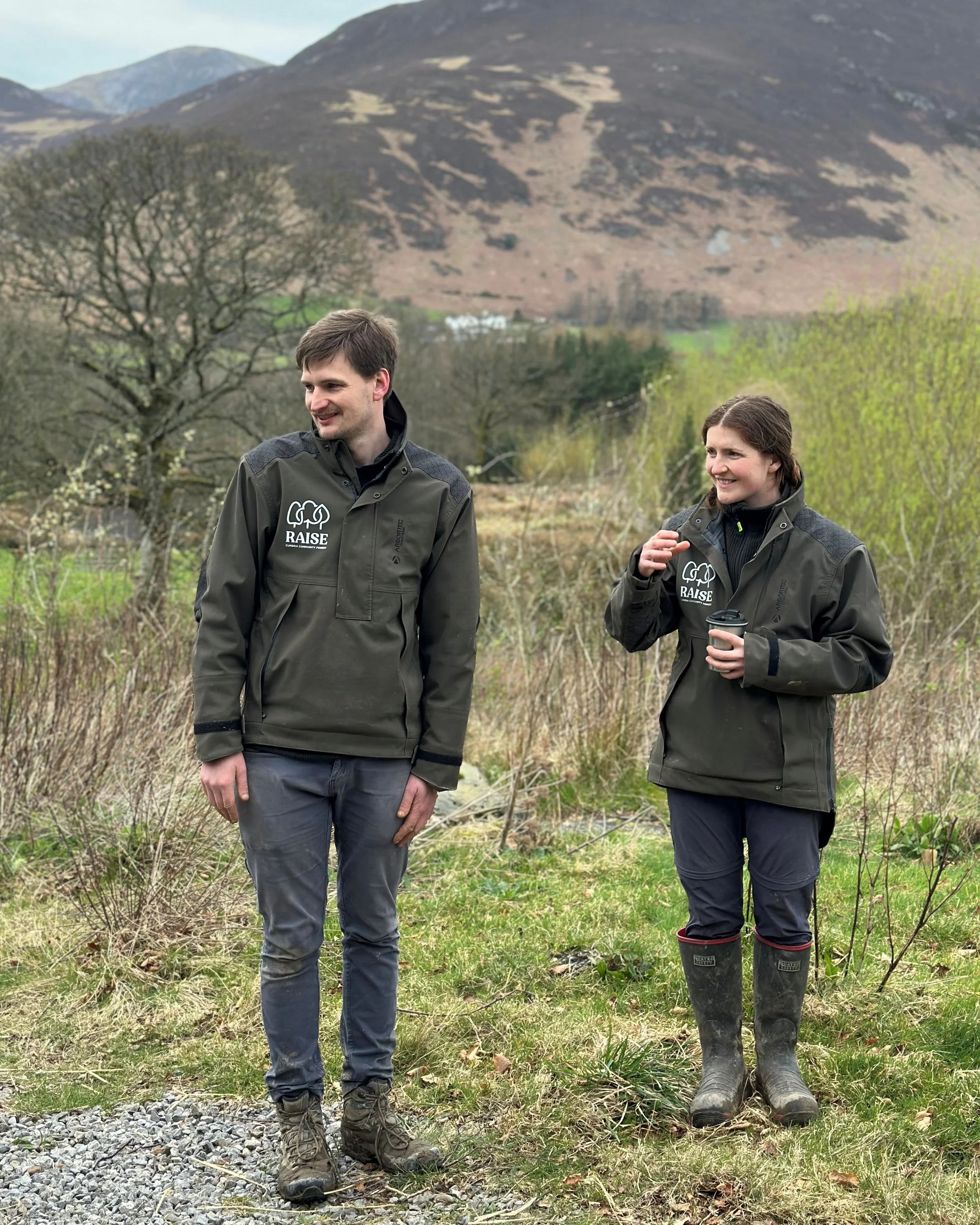
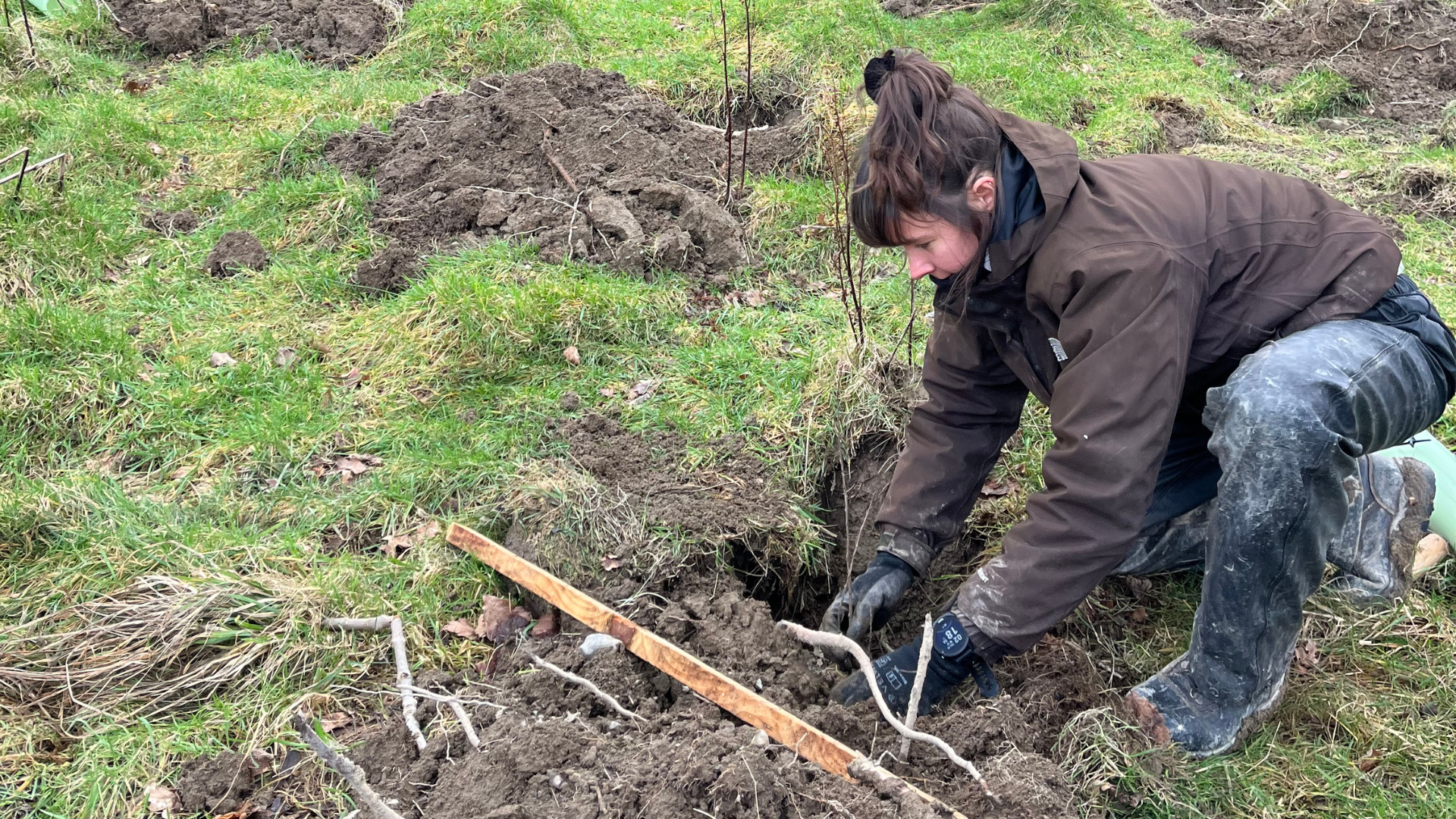
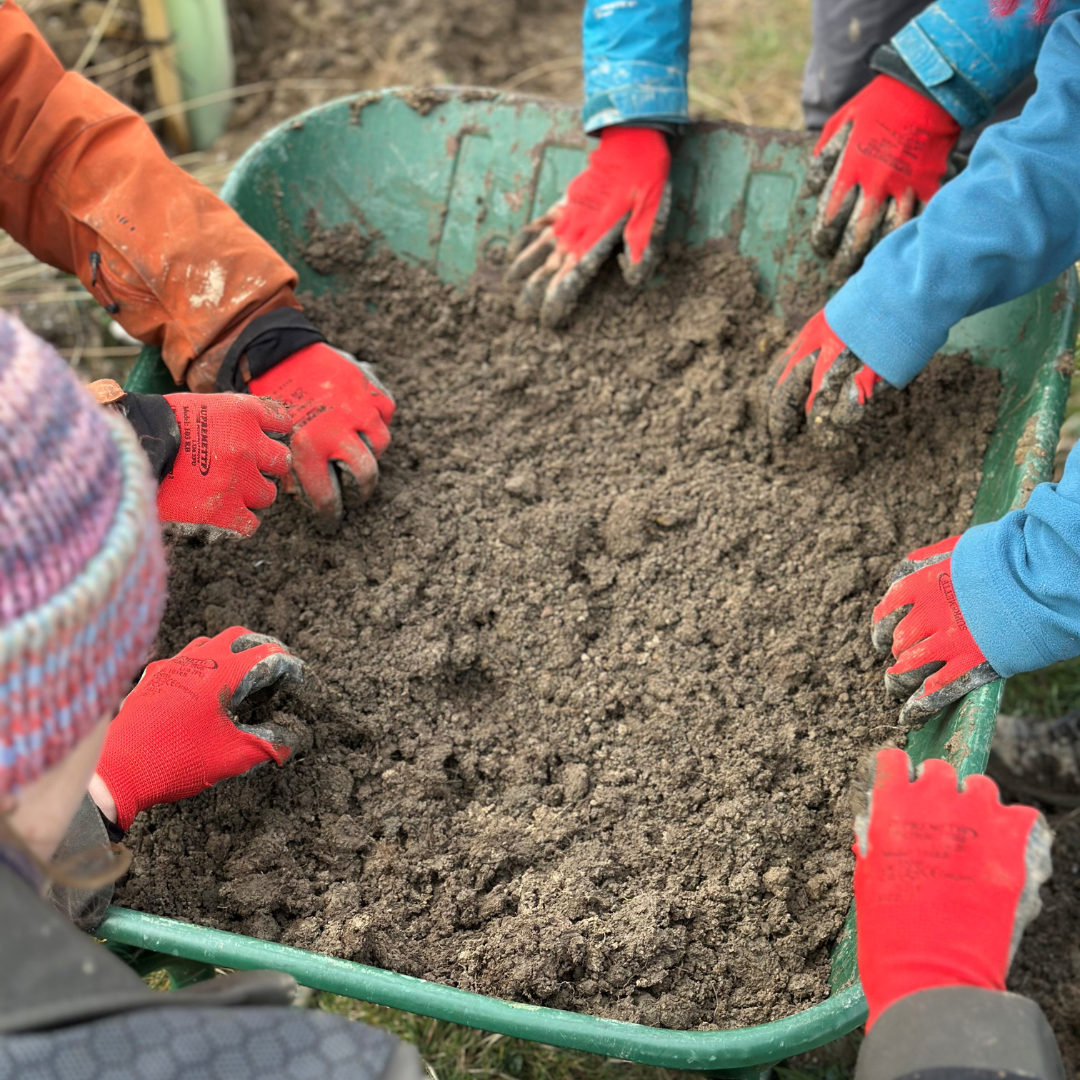
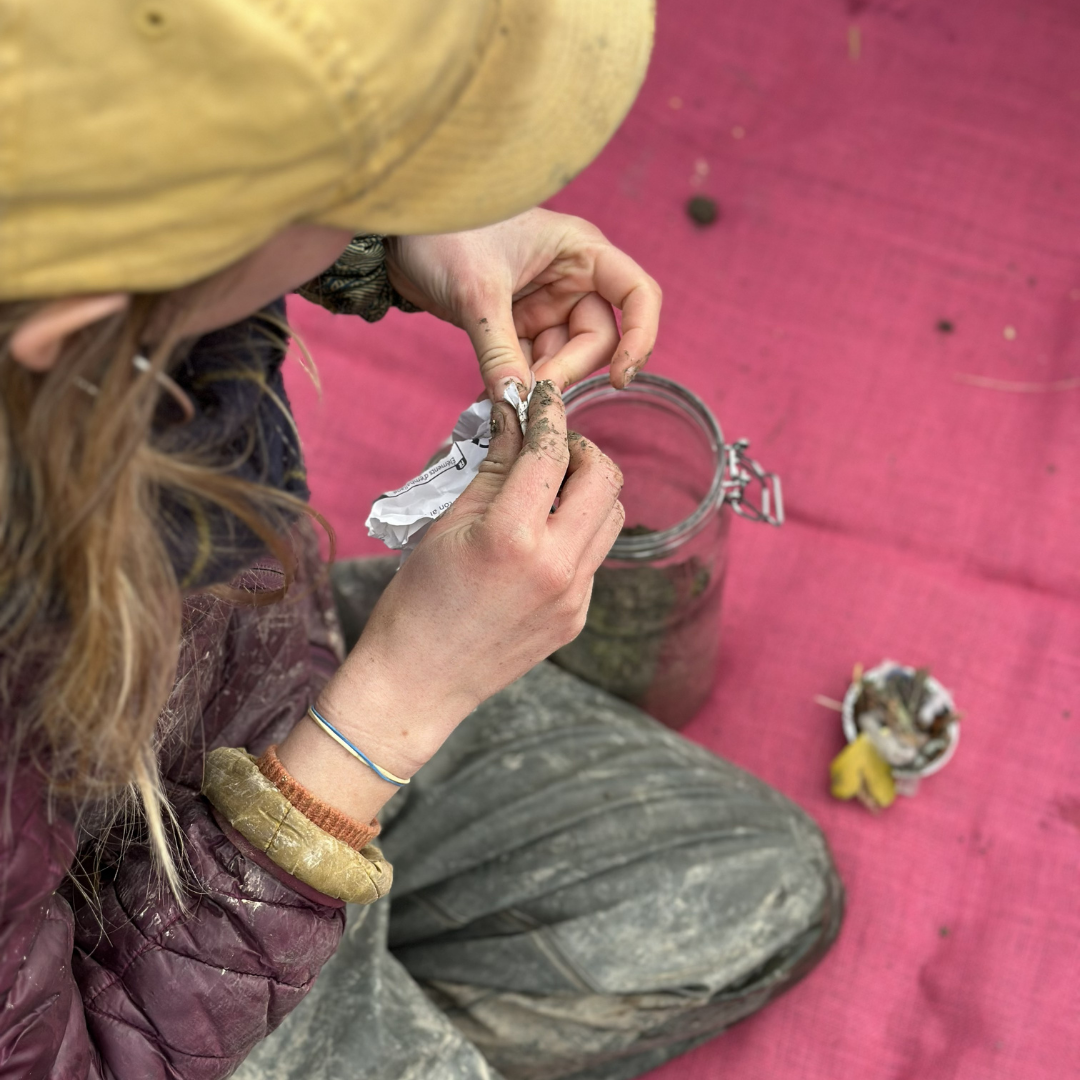
Neighbouring landowners were consulted throughout the planning process, with much of the planting then carried out by Raise’s team of Volunteer Community Foresters, as part of Raise’s neuro-affirming volunteer programme. Across a series of six full-day volunteer sessions, volunteers focused on planting trees while learning about ecology, soil health, botanical surveys and more.
The project brought together a range of specialist partners and advisers. Trees were donated by the Woodland Trust, while workshops and specialist input from artists, access consultants and ecological experts helped inform wider conversations around woodland creation, accessibility and biodiversity.
Looking Ahead
Alongside the woodland creation project, Rick and Sonja have continued to develop the farm for nature recovery. In 2025, several ponds and scrapes were created across the holding, further increasing the diversity of habitats available for wildlife and complementing the new woodland and their existing mix of woodland, wooded pastures, hay meadows and hedgerows.
Future management will focus on establishing the young woodland, maintaining conservation grazing and allowing the different habitats across the farm to develop together over time.
77
Volunteers
5,908
Number of trees
17.85
Hectares of woodland planted
Project Impact
Contribution to Net Zero
The 5,908 trees will sequester carbon in their structure and in the soils beneath.
Farming and Land Management
The woodland has been designed to work alongside conservation grazing, providing shelter for livestock while supporting a more resilient farming system.
Water Quality and Natural Flood Management
Riparian woodland alongside the beck will help improve water quality, reduce erosion and contribute to natural flood management across the catchment. Additional ponds and scrapes will help to hold more water on the land and create additional ecological complexity.
Education and Collaboration
The project benefited from collaboration between farmers, woodland specialists, artists, accessibility consultants and ecological experts, showing how a wide range of perspectives can contribute to woodland creation.
Nature and Biodiversity
New woodland, scrub and riparian planting will strengthen habitat connectivity and create opportunities for a wide range of wildlife, including species associated with nearby woodland habitats. Additional ponds and scrapes will help to hold more water on the land and create additional ecological complexity.