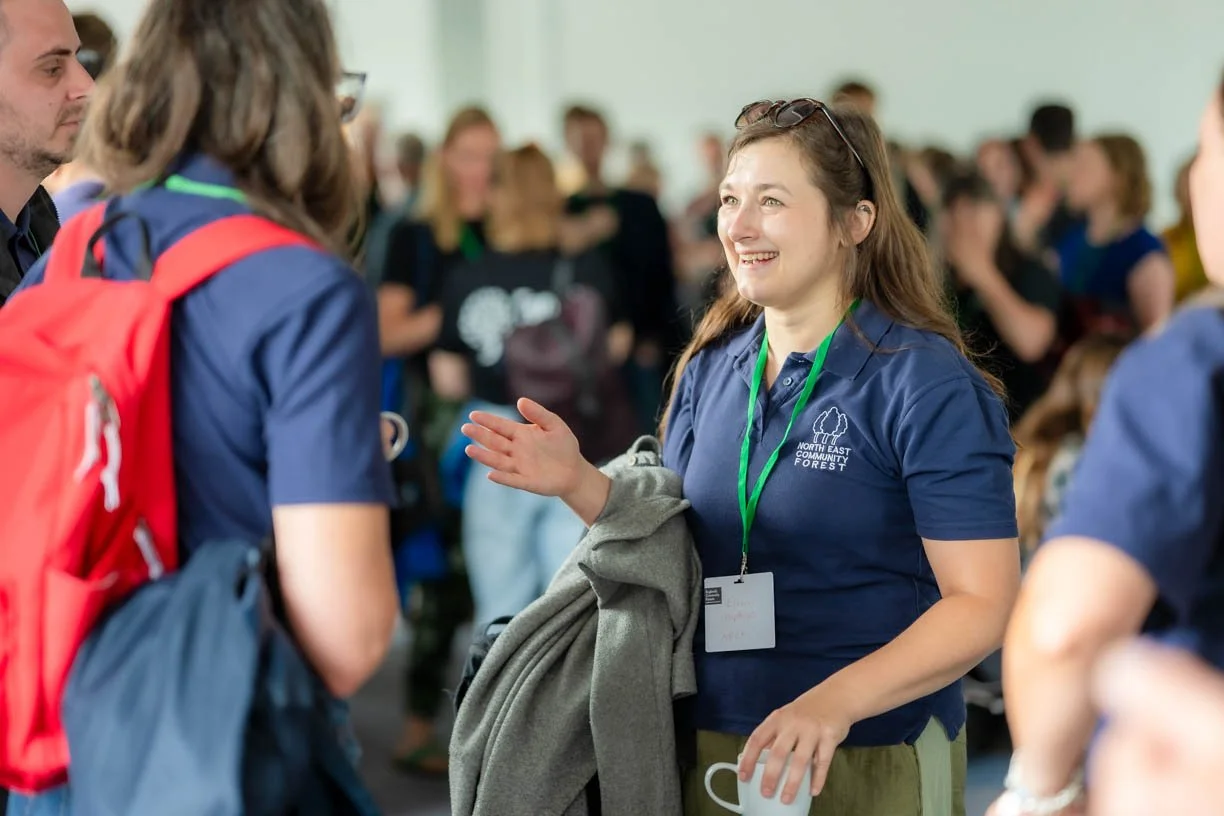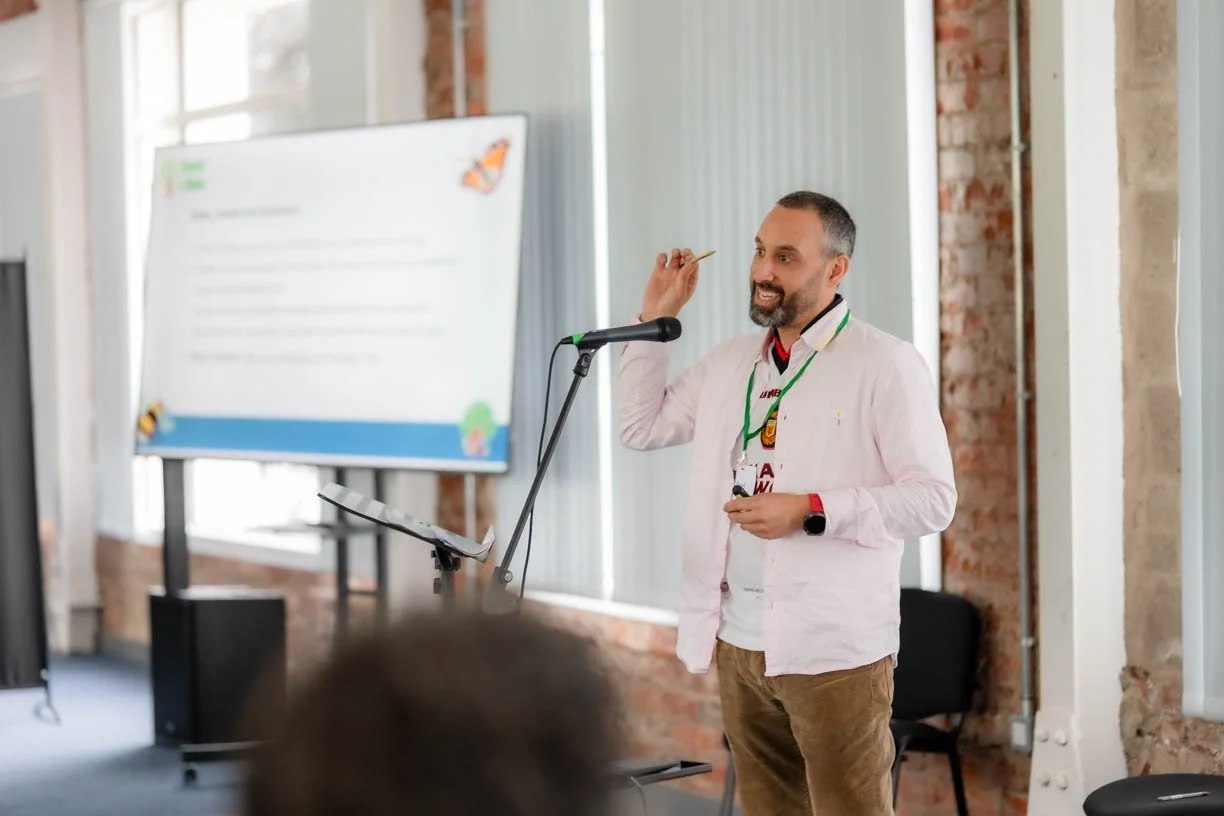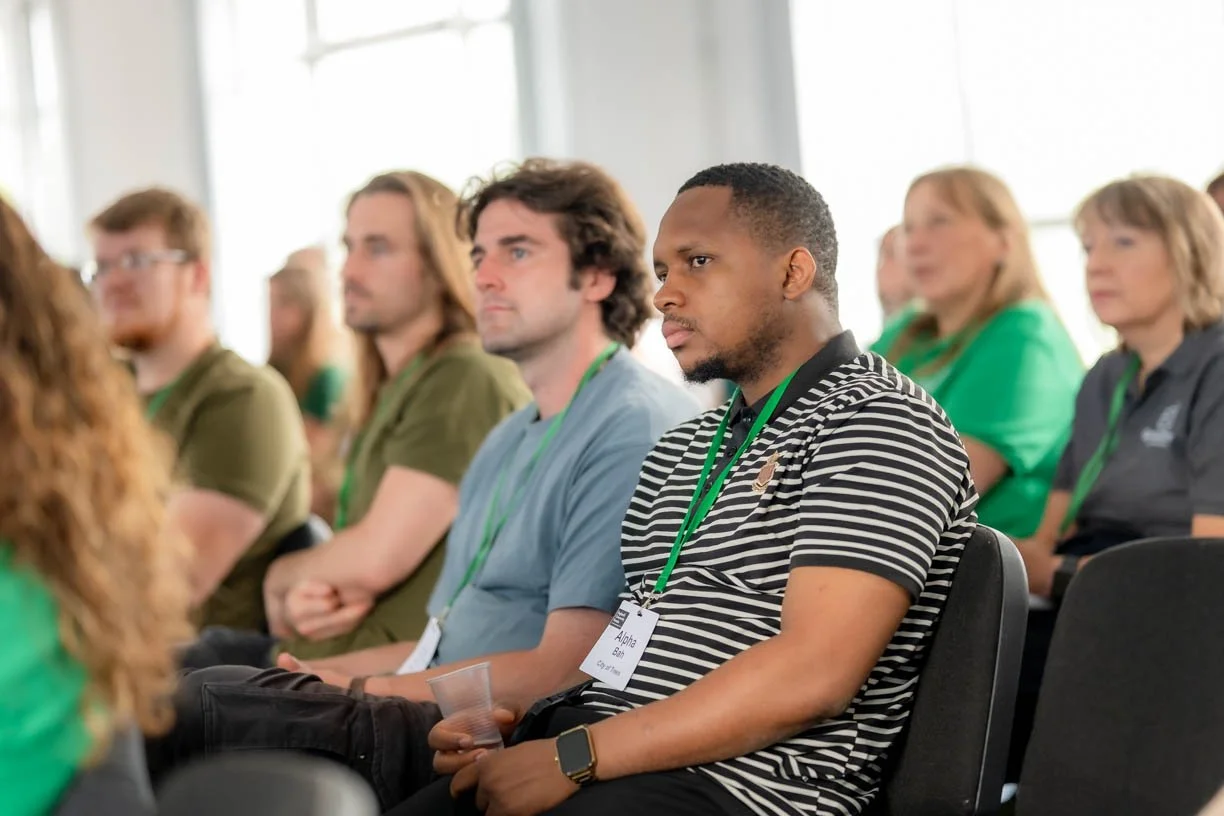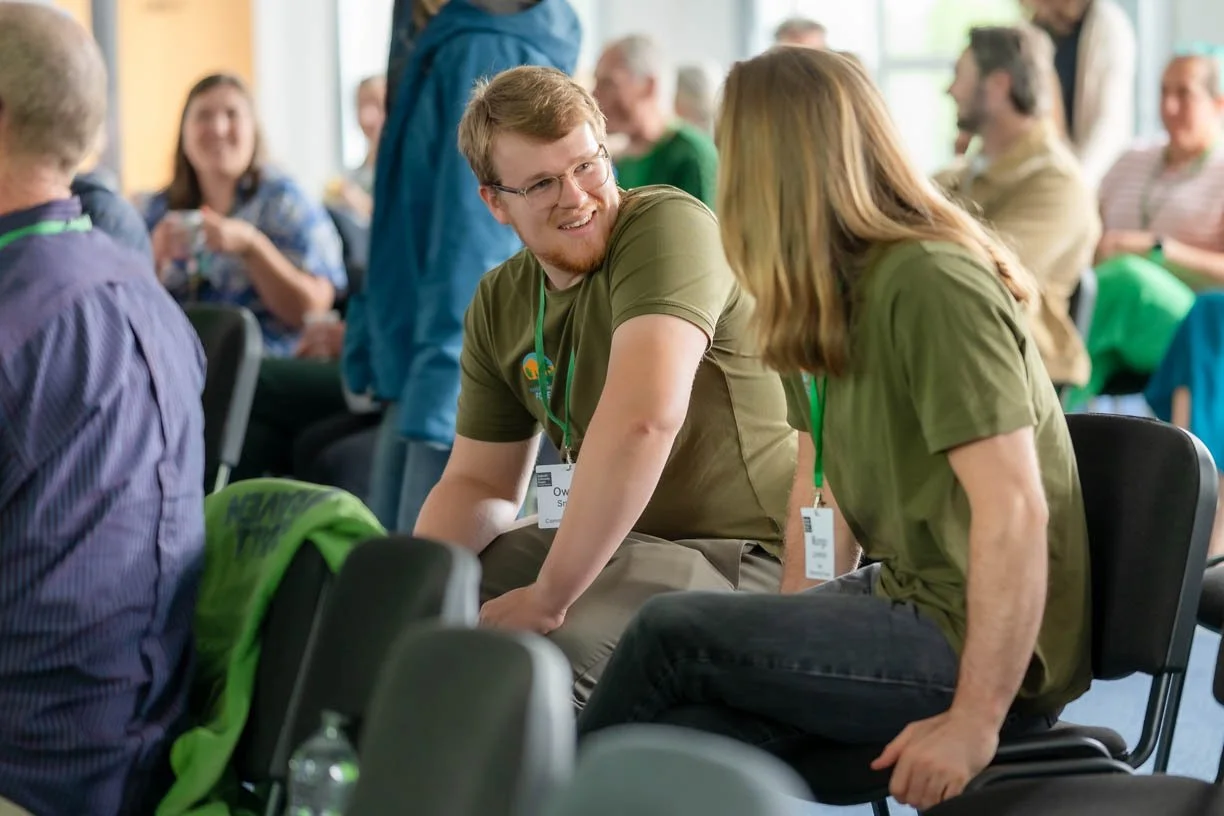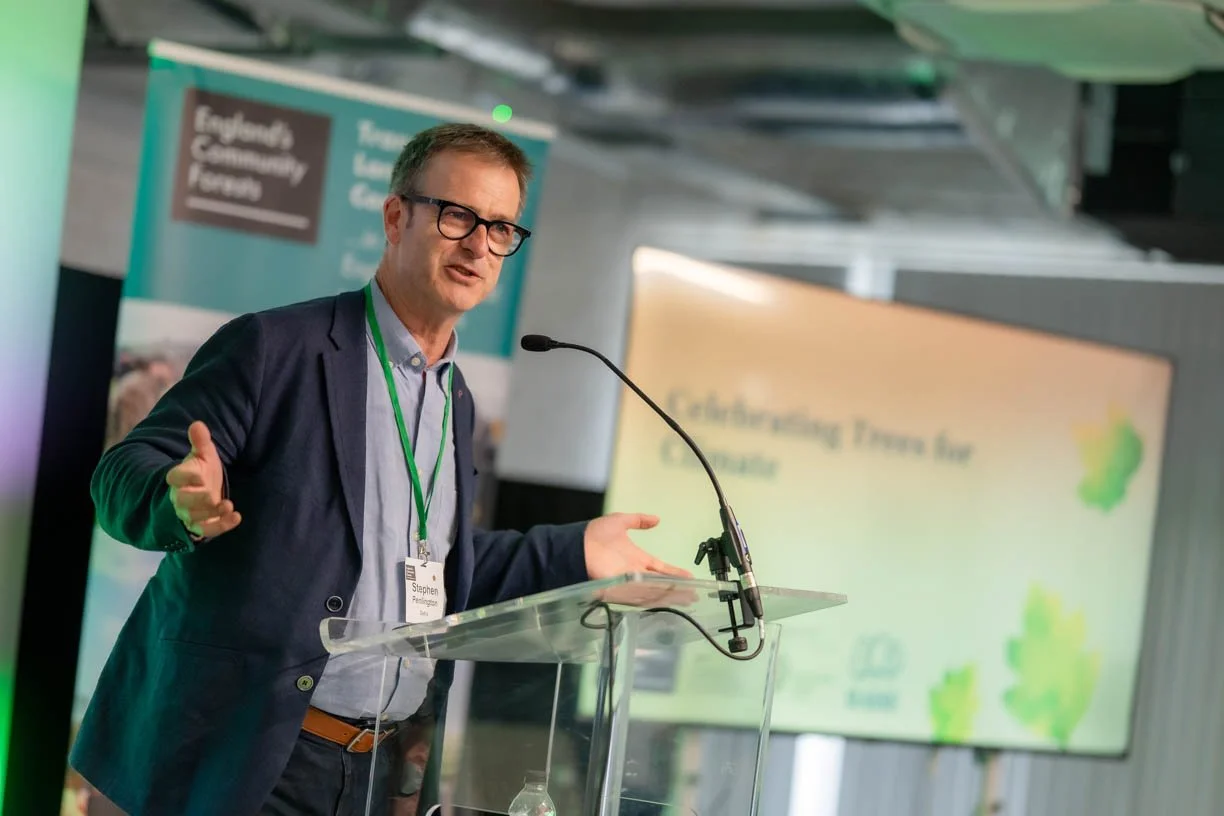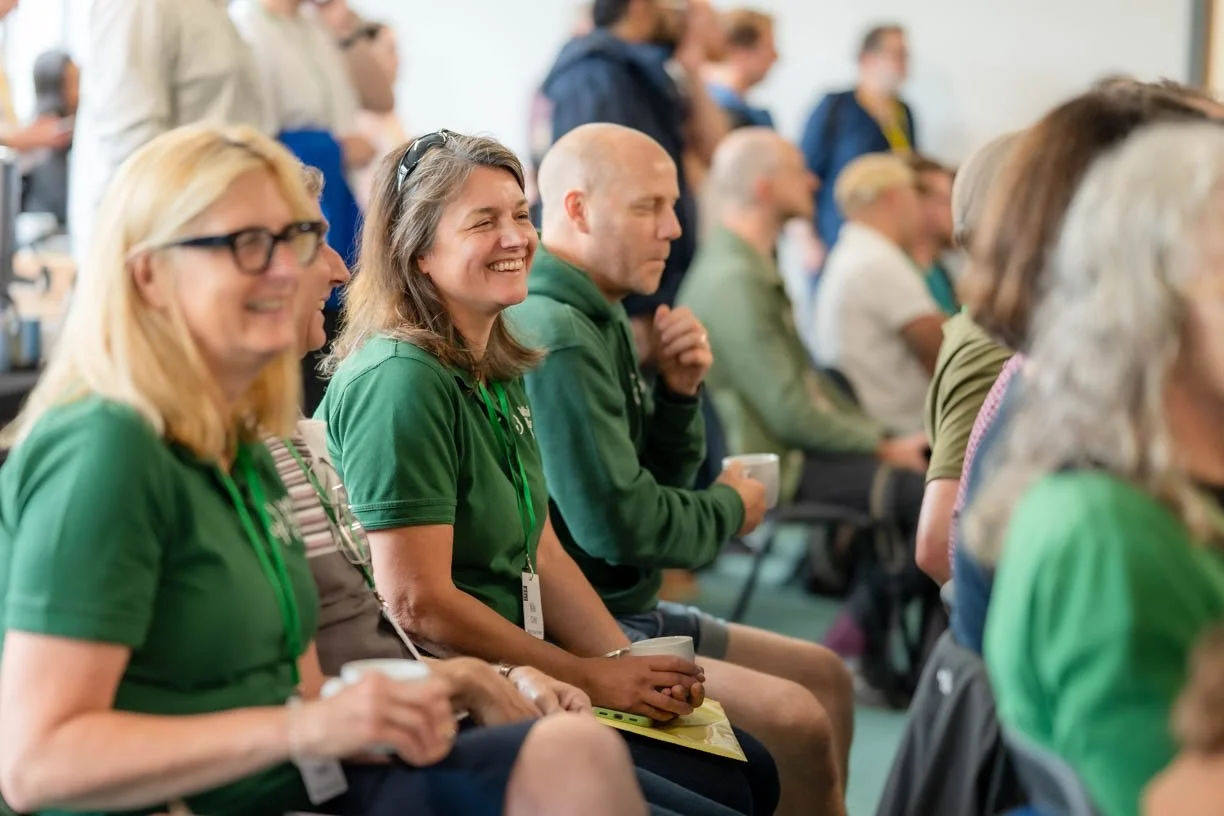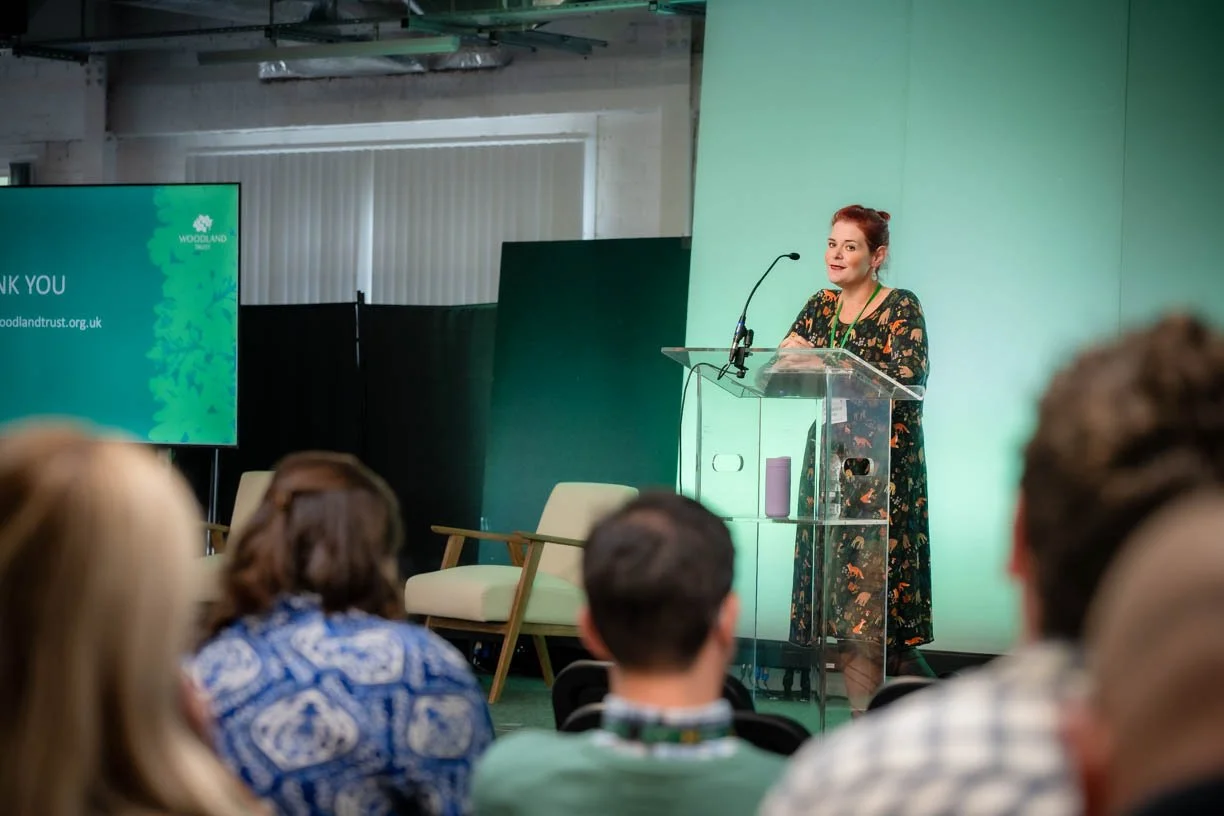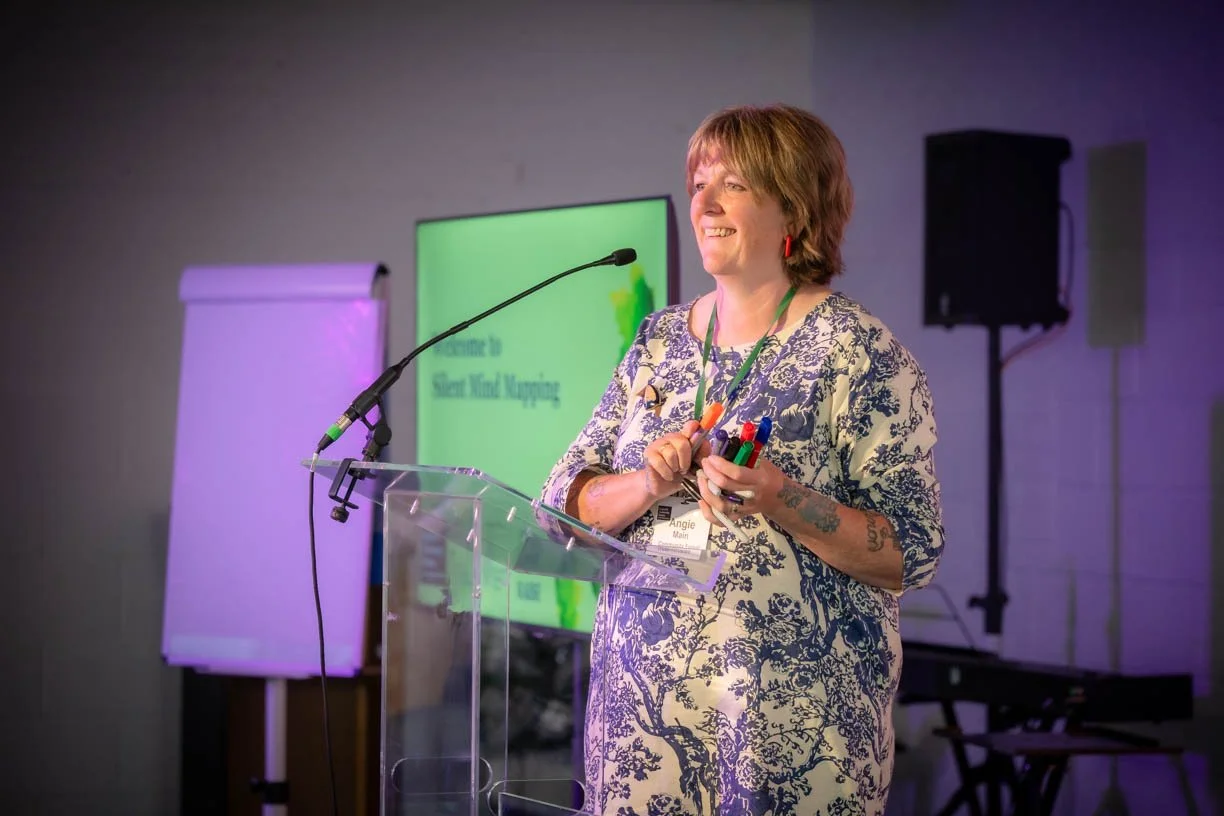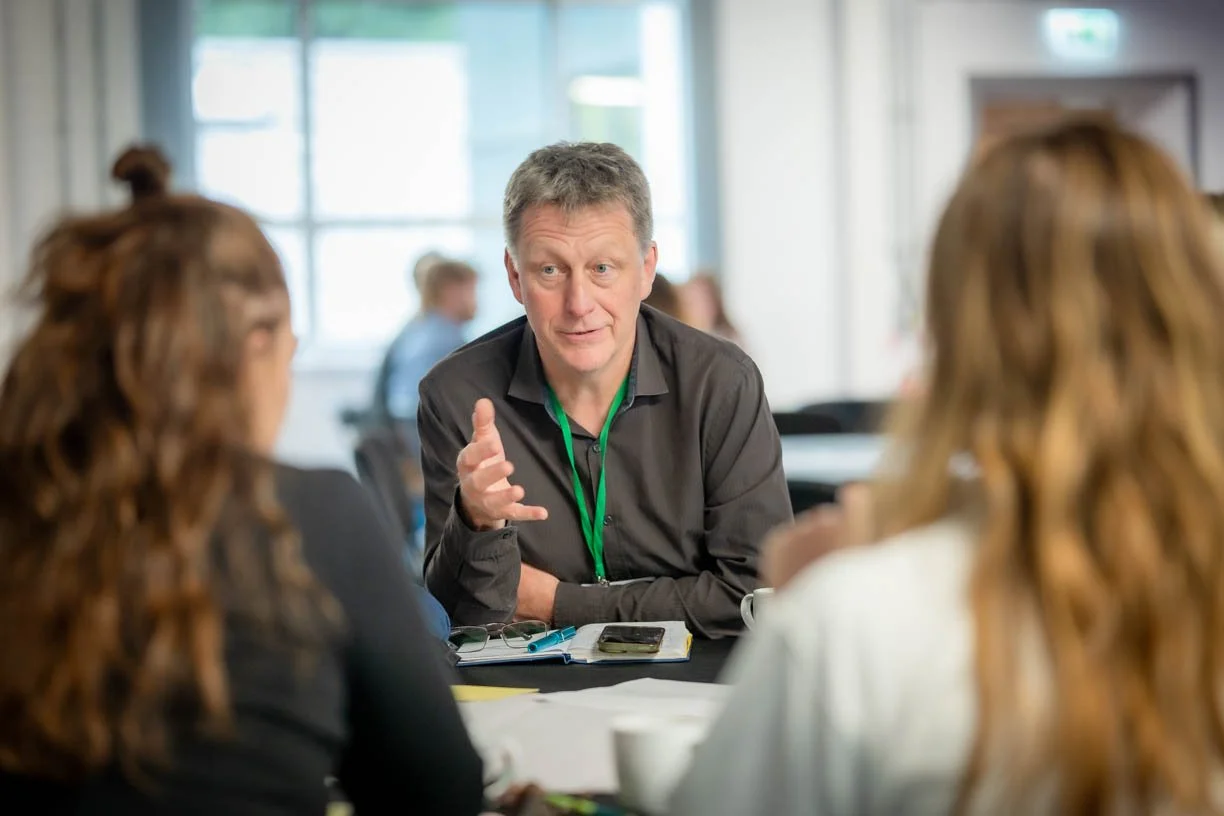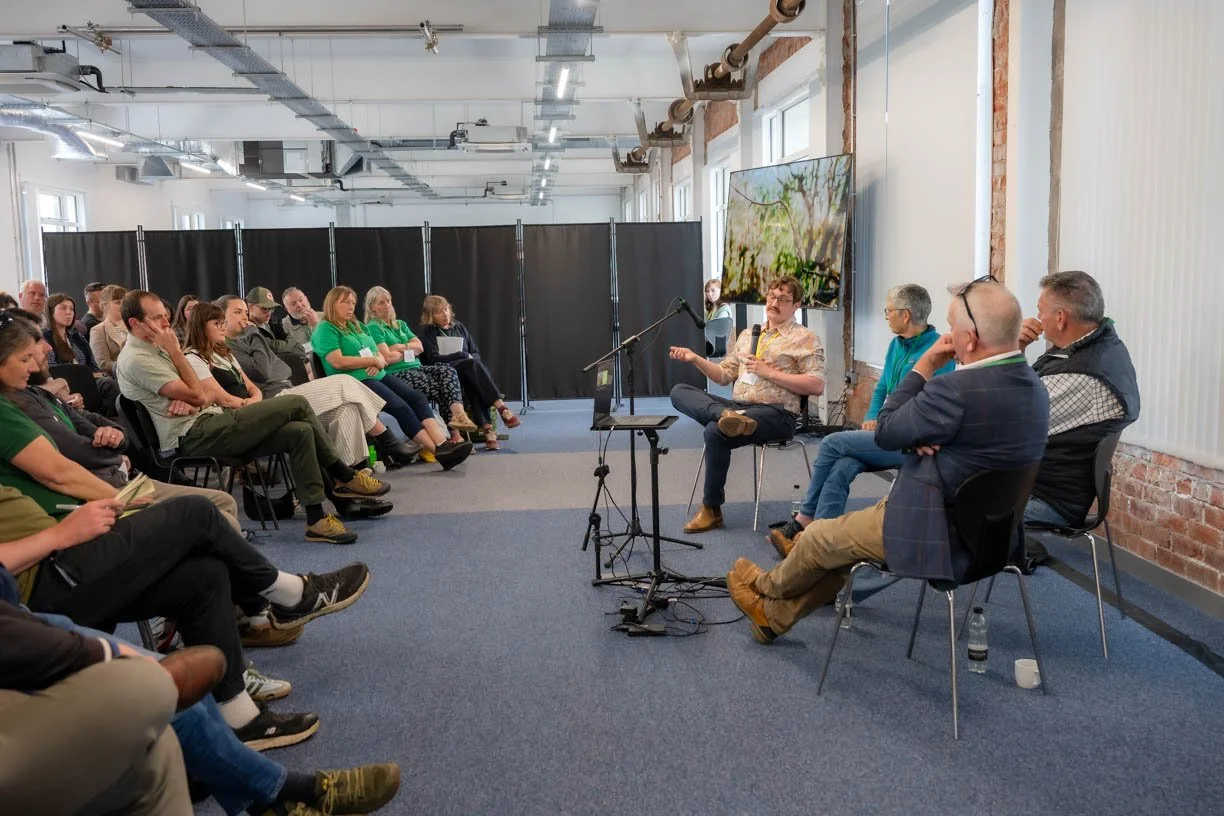
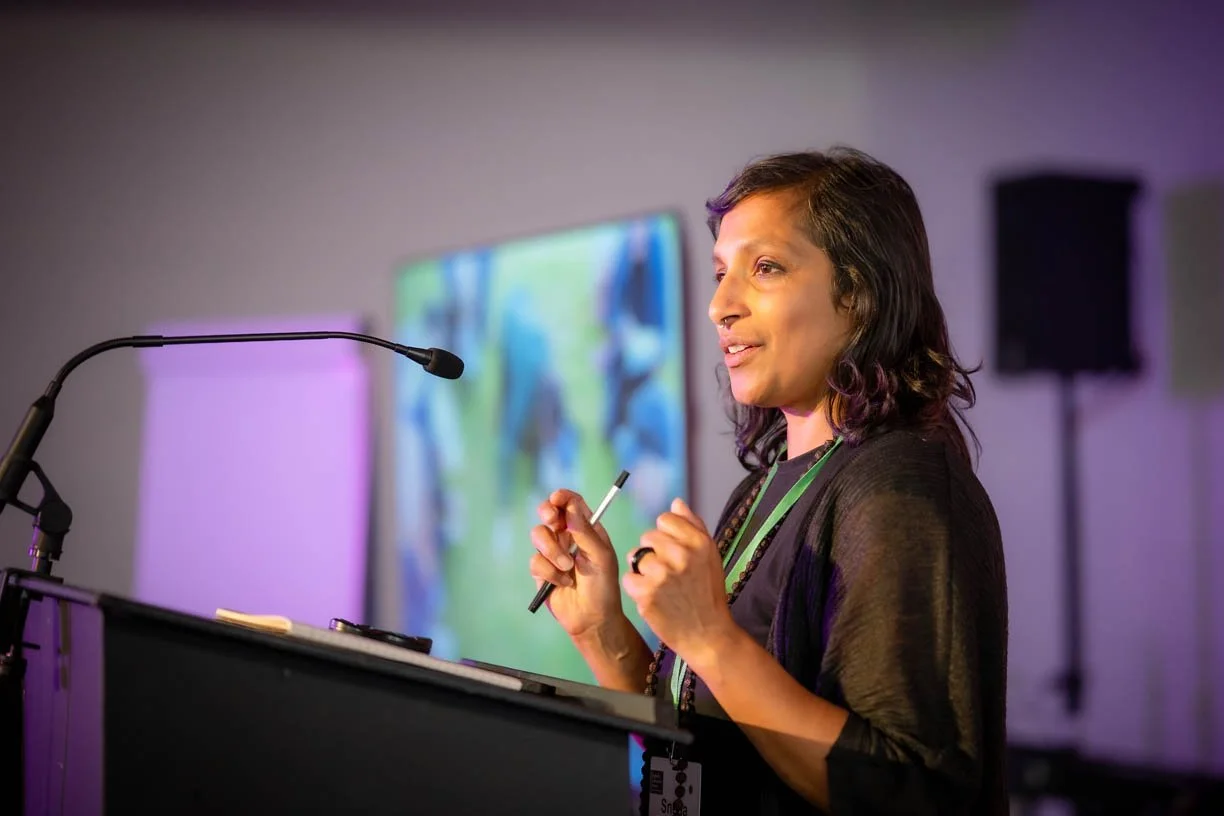
This year, Raise had the privilege of hosting the England's Community Forests annual conference after being named Forest of the Year in 2025. Held in Keswick, the conference brought together colleagues from across the England's Community Forests network to celebrate achievements, strengthen partnerships and share ideas for the year ahead.
As a neurodivergent-led organisation, Raise believes environmental action is stronger when it includes neurodivergent perspectives. We wanted that belief to shape not only the programme, but the experience of the event itself, thinking carefully about how conference design could help more people participate, contribute and connect.
Bringing the network together
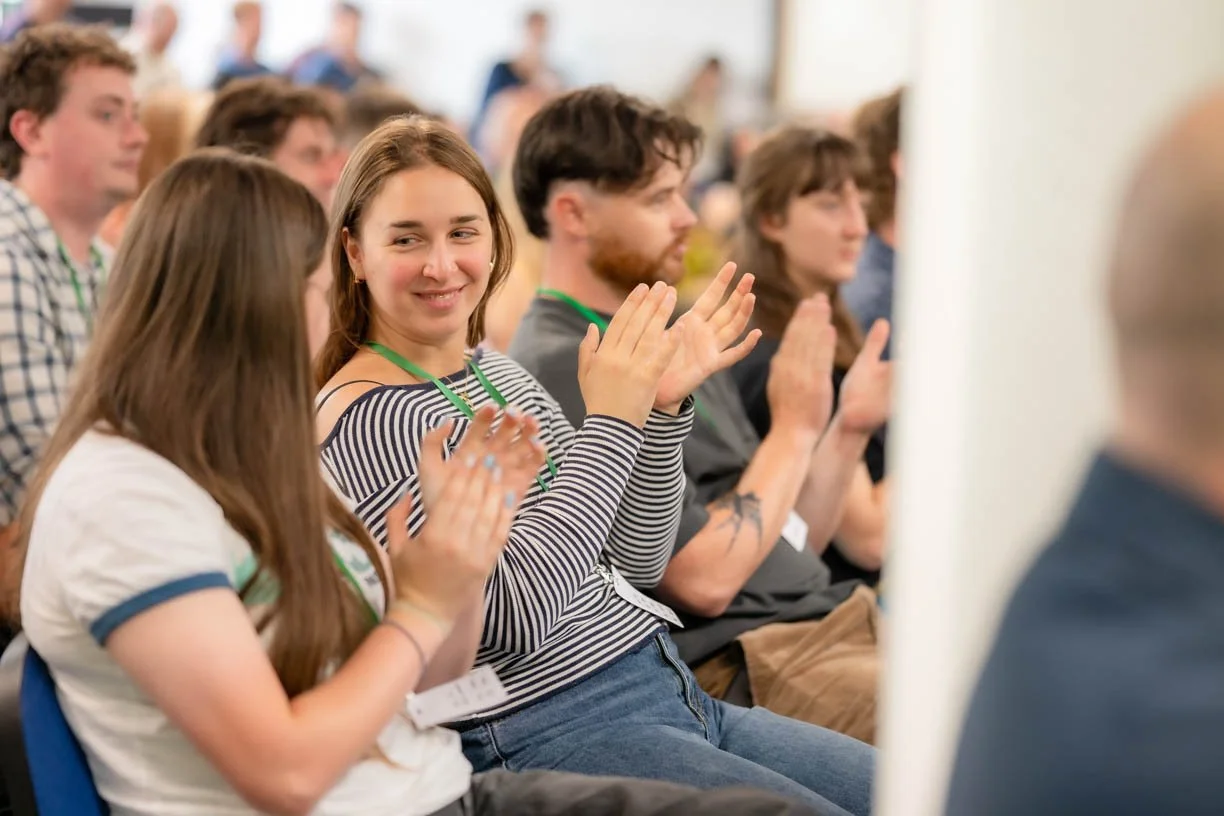
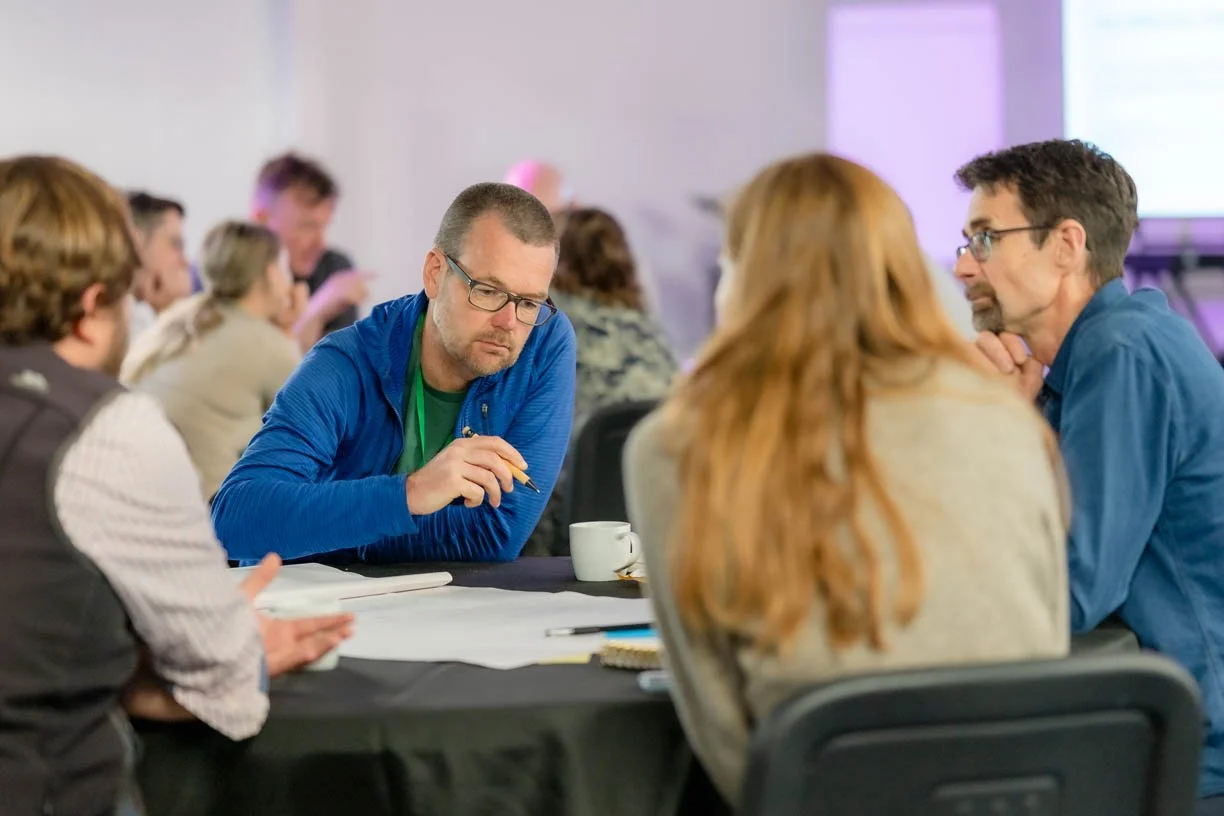
The England's Community Forests annual conference is an opportunity for colleagues from across the network to step away from day-to-day work and come together around a shared purpose. It's a dedicated day each year for individual Community Forests to recognise and celebrate the scale of what they're part of.
Alongside colleagues from across the Community Forests network, the conference also welcomed partners from organisations including DEFRA, the National Trust, Forests with Impact, the Ernest Cook Trust, the University of Cumbria, the Woodland Trust, the Northern Rainforest Alliance, the Lake District National Park Authority, Westmorland and Furness Council, Cumbria Biodiversity Data Centre and others. Bringing together national and regional organisations created opportunities to share knowledge, strengthen relationships and explore shared challenges from different perspectives.
Just as importantly, the conference creates space for conversations that simply don't happen in virtual meetings. Those conversations often continue long after the event has ended, helping the England's Community Forests network and its partners work together more effectively to deliver landscape-scale environmental change.
This year's theme, Partnership in Practice, recognised that lasting environmental change depends on strong partnerships.
Hosting a neuro-affirming conference
As a neurodivergent-led organisation, Raise wanted the conference to reflect the way we think about inclusion. We know that people engage with information, conversations and environments in different ways. If we want to hear a wide range of perspectives, we need to create spaces where people have genuine opportunities to contribute.
Traditional conferences can unintentionally create barriers. Things like busy schedules, unfamiliar environments and expectations around participation can make it harder for some people to engage fully. Those barriers are not always visible, but they can influence who feels comfortable contributing and whose ideas are heard.
Rather than expecting everyone to experience the conference in the same way, we wanted to offer more choice. Our aim was to reduce unnecessary barriers and create an environment where as many people as possible could participate in ways that worked for them. Neuro-affirming design isn't about accommodating a small group of people. It's about recognising that everyone benefits when there are different ways to participate.
For us, designing a neuro-affirming conference was another way of putting Partnership in Practice into action. Better partnerships begin with making space for different people to take part.
Designing for participation
The following considerations weren't accessibility adjustments added at the end of the planning process. They were design principles that shaped the conference from the very beginning, helping us create an event that encouraged curiosity, welcomed different perspectives and gave people genuine choice in how they participated.
When designing the conference, every decision we made came back to one question:
How can we help more people engage in ways that work for them?
That thinking shaped everything from the programme to the physical environment.
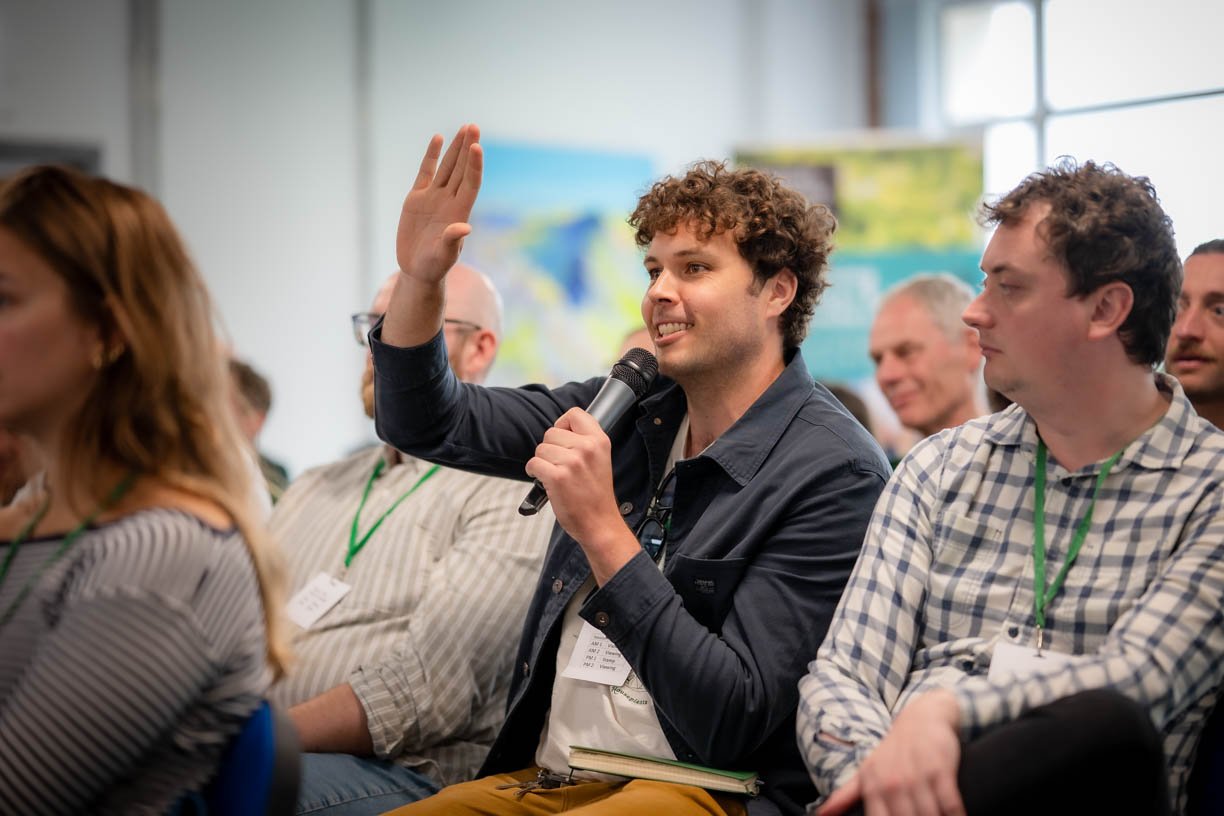
Choice
An important decision was introducing three learning streams throughout the day:
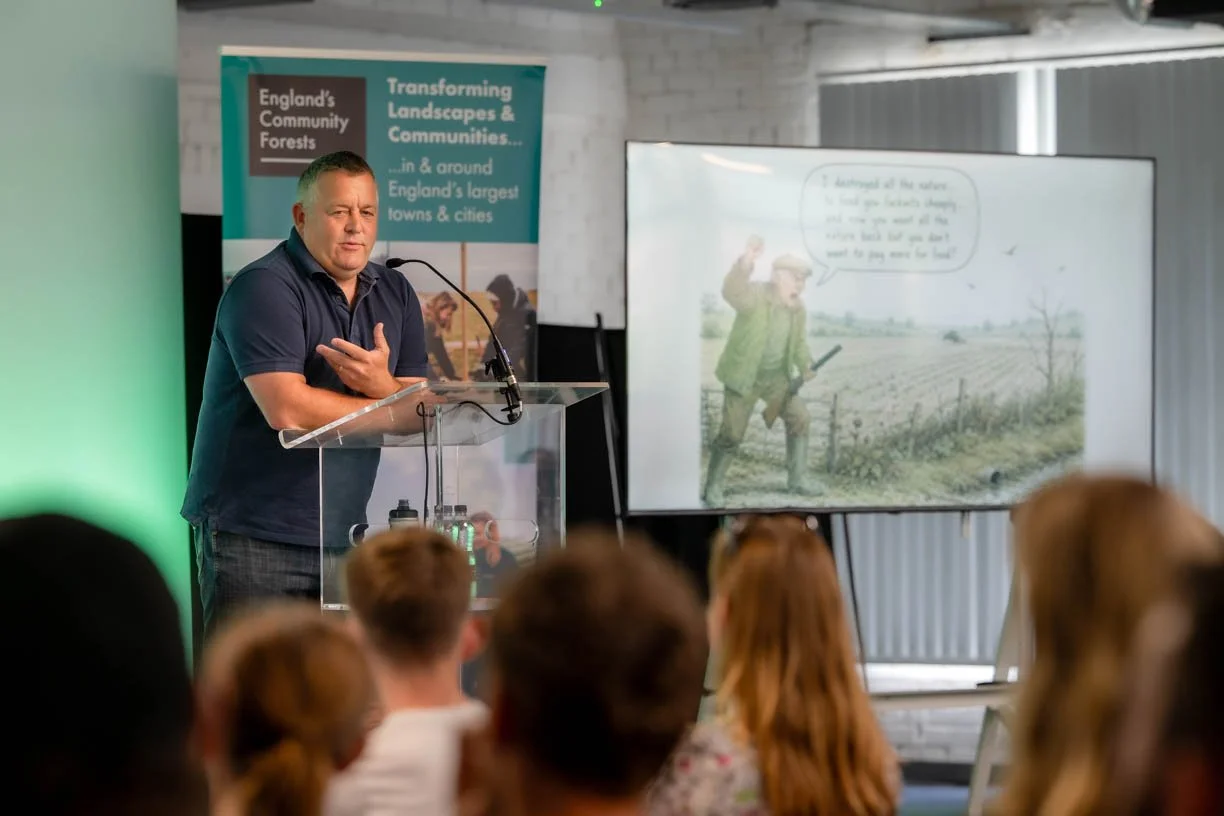
Listen for presentation-based sessions.
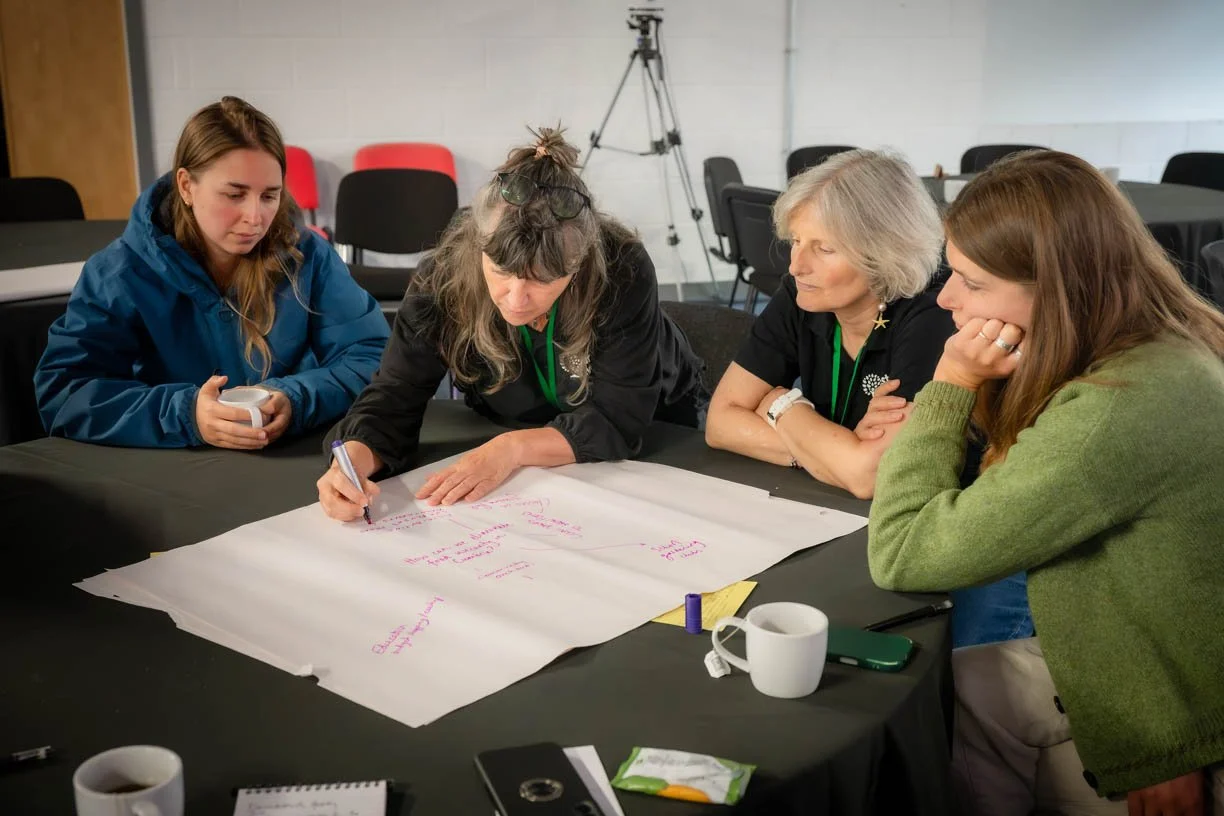
Learn for workshops and practical discussion.
Reflect for quieter sessions with more space for individual thinking.
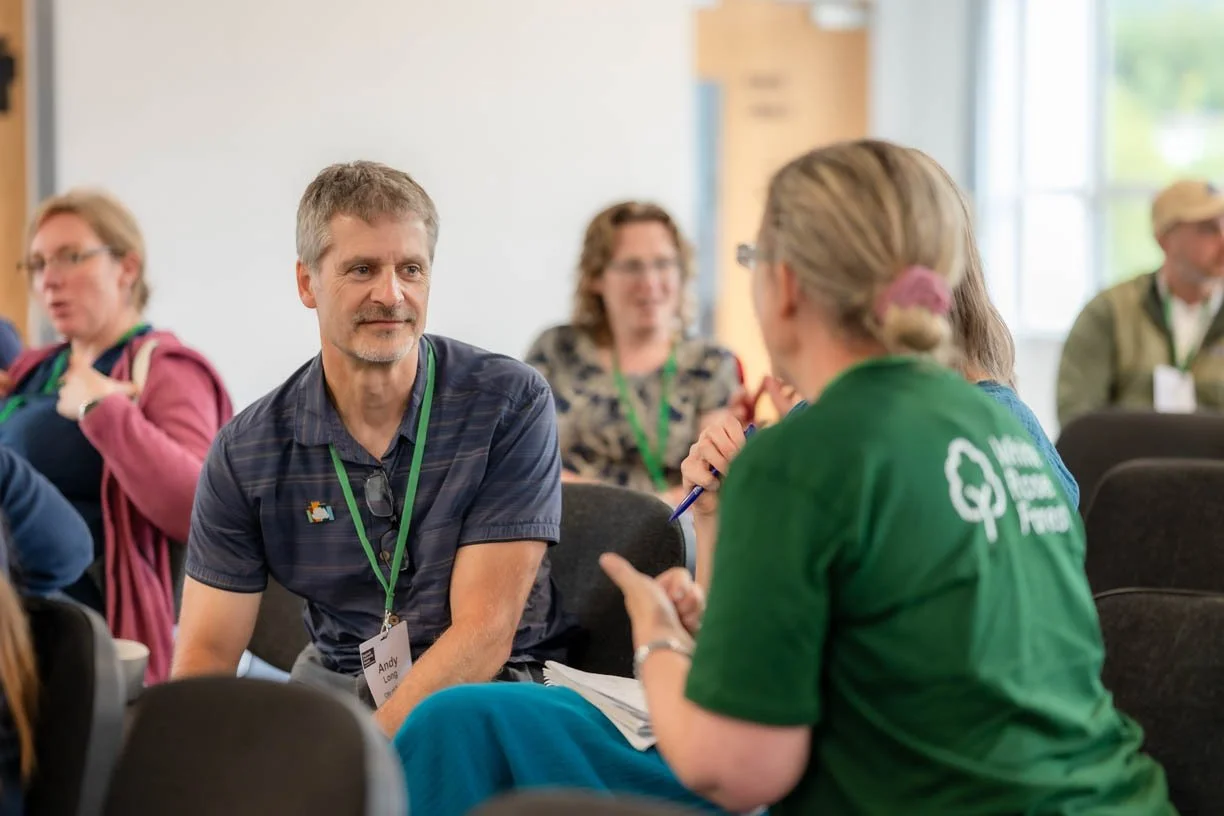
Rather than following a single route through the conference, we wanted delegates to be able to choose the sessions that best suited how they wanted to learn and contribute at different points in the day. Someone who wanted to spend the morning listening could choose a more interactive session later on, or take time to reflect before joining another discussion.
We wanted people to feel they had permission to engage in different ways, rather than feeling there was one "right" way to participate.
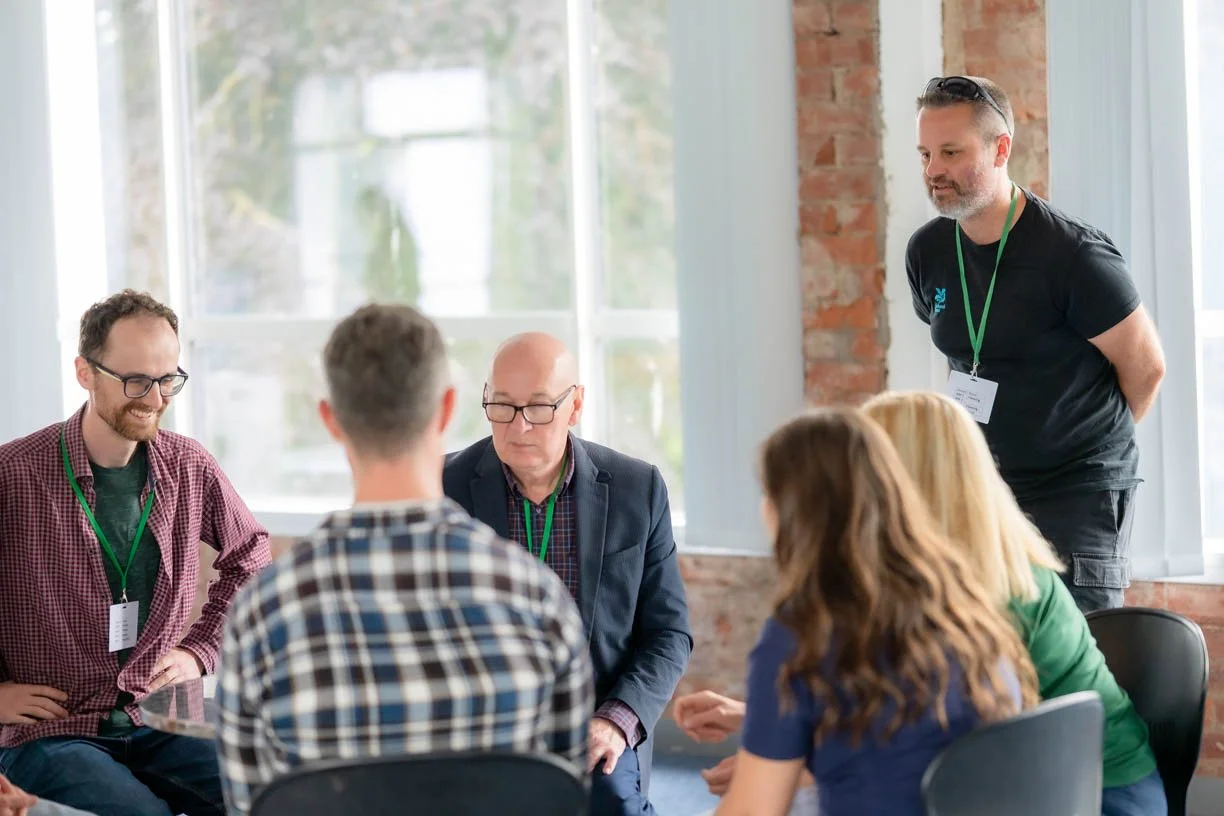
Clarity and predictability
We also thought carefully about making the conference easier to navigate.
Delegates were sent clear information before the event, including the programme, timings and practical details. A colour-coded visual schedule made it easy to understand the different learning streams at a glance, while venue maps were shared in advance to help people familiarise themselves with the space before arriving.
We also offered delegates the opportunity to arrive early and explore the venue quietly before the conference began. Alongside simple wayfinding and clear signage throughout the day, our hope was that these small details would help reduce uncertainty and made it easier for people to settle into the event.
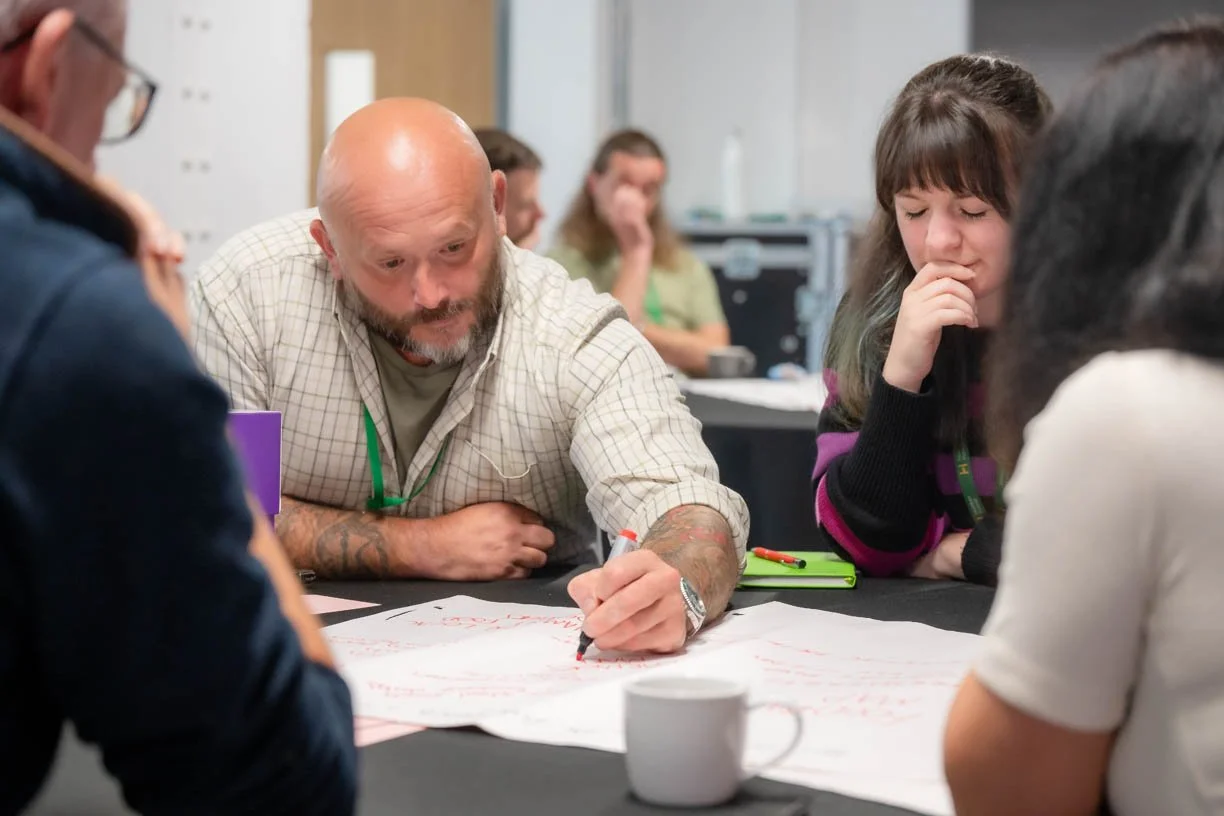
Creating space
Not every valuable conversation happens during programmed sessions. We built time into the programme for breaks, informal discussions and opportunities to step away from the main conference space. A quiet room was available throughout the event for anyone who needed a calmer environment or a short break.
Just as importantly, stepping away was normalised. Delegates were encouraged to take a break whenever they needed one, without it being viewed as a special accommodation or something that required permission. The space was there for everyone.
These choices recognised that people's energy, concentration and social capacity naturally change over the course of the day. Having somewhere to pause or recharge meant delegates could return to conversations when they felt ready.
None of these elements were designed as standalone accessibility features. Together, they helped create an environment where more people could engage with the ideas, discussions and people around them.
Partnership in Practice
The conference explored partnerships in many forms. Sessions highlighted collaboration between Community Forests, landowners, local authorities, charities, businesses and local communities, showing how these relationships are helping to create woodlands that deliver lasting benefits for people, nature and climate.
But the conference also demonstrated partnership in a different way.
By giving delegates different ways to participate, we wanted to create more opportunities for conversations to develop naturally. Whether people chose presentation-led sessions, interactive workshops or quieter reflective spaces, each approach offered a valuable way to contribute. Ideas were shared in presentations, around workshop tables, during walks between sessions and over coffee.
We believe that when people are given genuine choice over how they contribute, discussions become more meaningful. Different perspectives emerge, ideas are shared more openly, and partnerships become stronger because more voices are part of the conversation.
In that sense, the conference itself became an example of Partnership in Practice.
Reflections
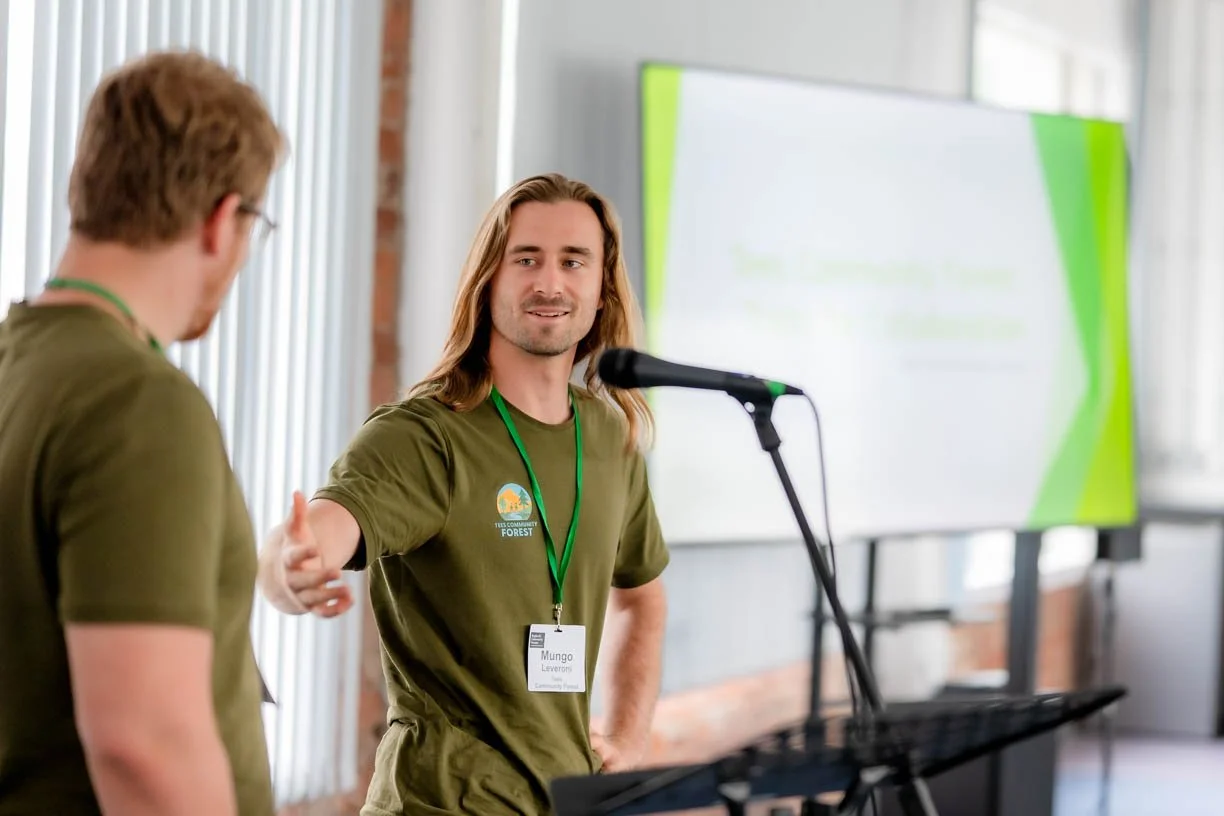
Although we don't see neuro-affirming practice as something you ever finish, we’re proud of what we created at this year’s conference.
Every event teaches us something new. Every group of people has different needs, and no gathering will ever be perfectly inclusive for everyone. Our aim is to keep learning, listening and improving each time we bring people together.
The feedback we received suggests we created an environment where many people felt able to participate in ways that worked for them. One delegate described it as "one of the most neurodivergent-friendly conferences I've ever attended", while another said, "The event wasn't just informative. It was warm, welcoming and genuinely inclusive."
That feedback has already helped us think about what we would keep, what we could improve and what we might do differently next time. Ongoing reflection is an important part of creating environments where more people feel able to take part.
Seeing this approach in action at the scale of a national conference reinforced our belief that when people are given genuine choice in how they participate, conversations become richer, partnerships become stronger and, ultimately, the work we do together leads to better outcomes for the landscapes and communities we're all working to support.
One of the most rewarding outcomes of the conference has been the conversations it has started. If you're interested in exploring how neuro-affirming principles could shape your organisation or help you create more neuro-inclusive events, we're always happy to share our experience and continue the conversation.